Factory process
OEM Bedding Production Process Explained
An OEM bedding order is controlled by approvals, not by a single production start date. The buyer and factory need an agreed product brief, a measurable specification, a reviewed sample and a documented release before bulk work can be assessed consistently.
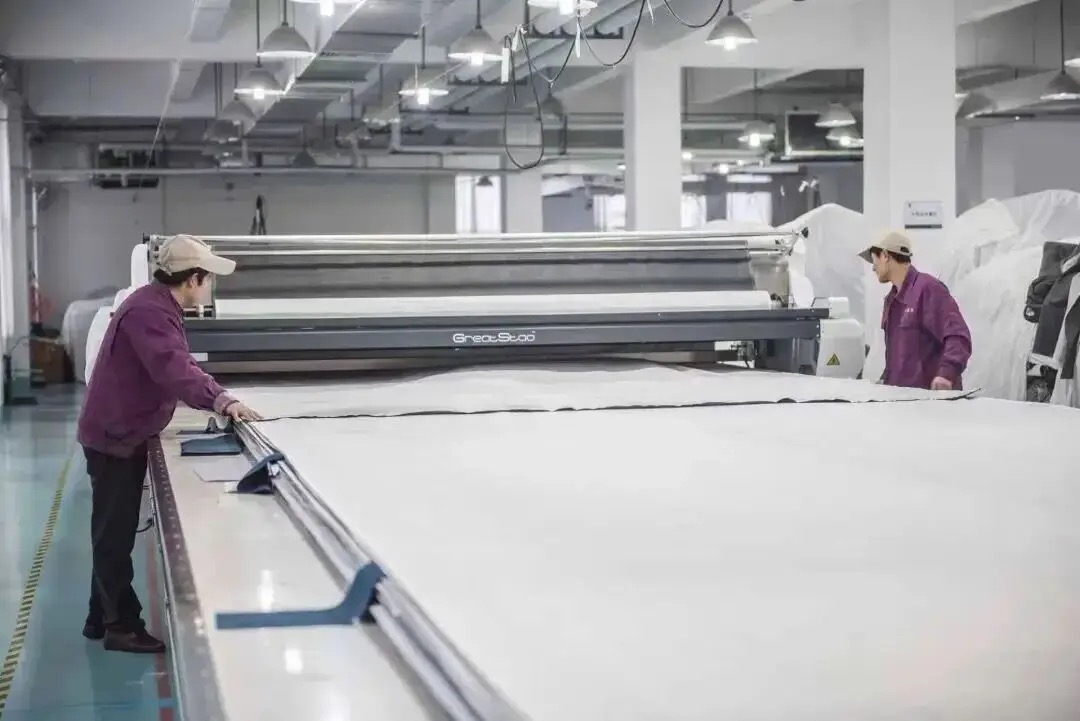
How does OEM bedding production work?
NEXTHOME TEX describes five connected stages: share the product brief, confirm the specification, review the sample, approve bulk production requirements, then inspect and prepare the shipment. Each stage should leave a dated record of what was agreed. The sequence applies to custom bedding sets, sheets and other categories, but the exact construction, timing and inspection scope depend on the order.
1. Share the product brief
The first brief should state who will sell the product, where it will be sold and what the product must contain. Include category, reference images, size table, fabric or handfeel direction, colour, artwork, quantity by SKU, packaging, labels, target timing and destination. Identify what is fixed and what the factory may propose. A vague brief produces quotations based on different assumptions.
Buyer decision: choose ready stock, a modified existing style or full OEM development. The OEM service page explains the available development areas, while the inquiry checklist helps assemble the brief.
2. Confirm the specification
Turn the brief into measurable product and pack fields. For a bedding set, record every component and finished dimension, material and construction, closure, trims, labels, colour reference, care wording, fold, retail pack and carton details. Mark any unconfirmed field for sample review. Agree tolerances and any buyer-required testing or inspection before the quote is treated as final.
Buyer decision: approve the specification version used for sampling and quotation. See the specification sheet guide and measurement tolerance guide.
3. Review the sample
A sample tests decisions that a PDF cannot settle: handfeel, drape, colour under the buyer's review conditions, finished measurements, sewing, trims and packed presentation. Record each correction against the same style, colour and version. Do not release bulk production from an old reference image when the latest size table, fabric or artwork has changed.
Buyer decision: approve a physical sample or clearly defined reference together with final artwork and pack details, or request a revision. Use the sample approval checklist and golden sample guide.
4. Approve bulk production requirements
Before release, reconcile the purchase order, approved sample, current specification, quantity by SKU, label files, barcode values, packaging artwork, inspection rules and delivery window. A change after approval needs a recorded revision and a clear decision about cost, timing and stock already in process. This is also the point to agree which production updates and pre-shipment evidence the buyer expects.
Buyer decision: issue a dated bulk release only when the documents match. The pre-production checklist and revision guide cover the handoff.
5. Inspect, pack and prepare shipment
Quality review should compare the produced goods with the approved sample and written acceptance criteria: component count, measurements, appearance, stitching, labels, barcodes and packing accuracy. Agree how defects are classified and corrected before the shipping deadline. Match carton labels and packing lists to the final SKU quantities, then document shipment release and logistics handoff.
Buyer decision: accept the order, request corrective action or hold release against the agreed criteria. Review the quality-control process, inspection guide and shipment checklist.
What can factory photos establish?
Photographs of material storage, assembly, inspection, finishing, individual packing and container loading help buyers understand the operational areas and ask better questions. They do not prove that a particular order passed a test, met a capacity target or shipped on time. Ask for order-specific specification, sample, inspection and packing records when those facts matter. The factory page shows the documented areas.
Prepare the first approval gate
Send a product brief with the components, sizes, fabric direction, quantities and packaging you need reviewed.
Prepare an inquiry