
OEM development
Start with a buyer specification, size table, artwork or reference product and review production details against the supplied brief.
Prepare the specification ->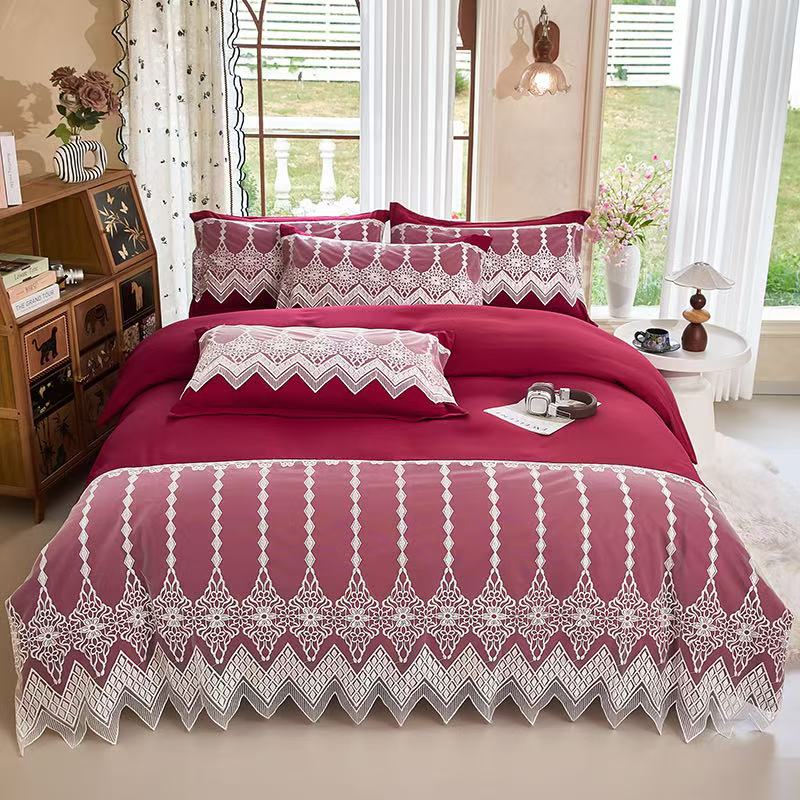
OEM / ODM for large-volume orders
Use OEM or ODM when ready stock cannot meet the required fabric, size, print, label or packaging specification. Final MOQ is confirmed by product, design, colour and construction.
Large-volume route
Begin with the product category, target market and expected quantity. Then align material, size, colour direction, set build, labels and packing before sampling. This page is for bulk custom programmes, not small ready-stock orders.
Choose a development path
The starting point changes, but every program moves through specification, sample review, production planning, quality checks and packing approval.
Start with a buyer specification, size table, artwork or reference product and review production details against the supplied brief.
Prepare the specification ->Start with a category or market direction, then refine material, construction, colour, set configuration and presentation through sampling.
Review sample approval ->Coordinate woven labels, care labels, inserts, barcodes, retail bags or boxes, carton marks and packing presentation.
Plan private-label packaging ->Customization framework
The supplied OEM references are translated below into a clear, buyer-facing development framework.
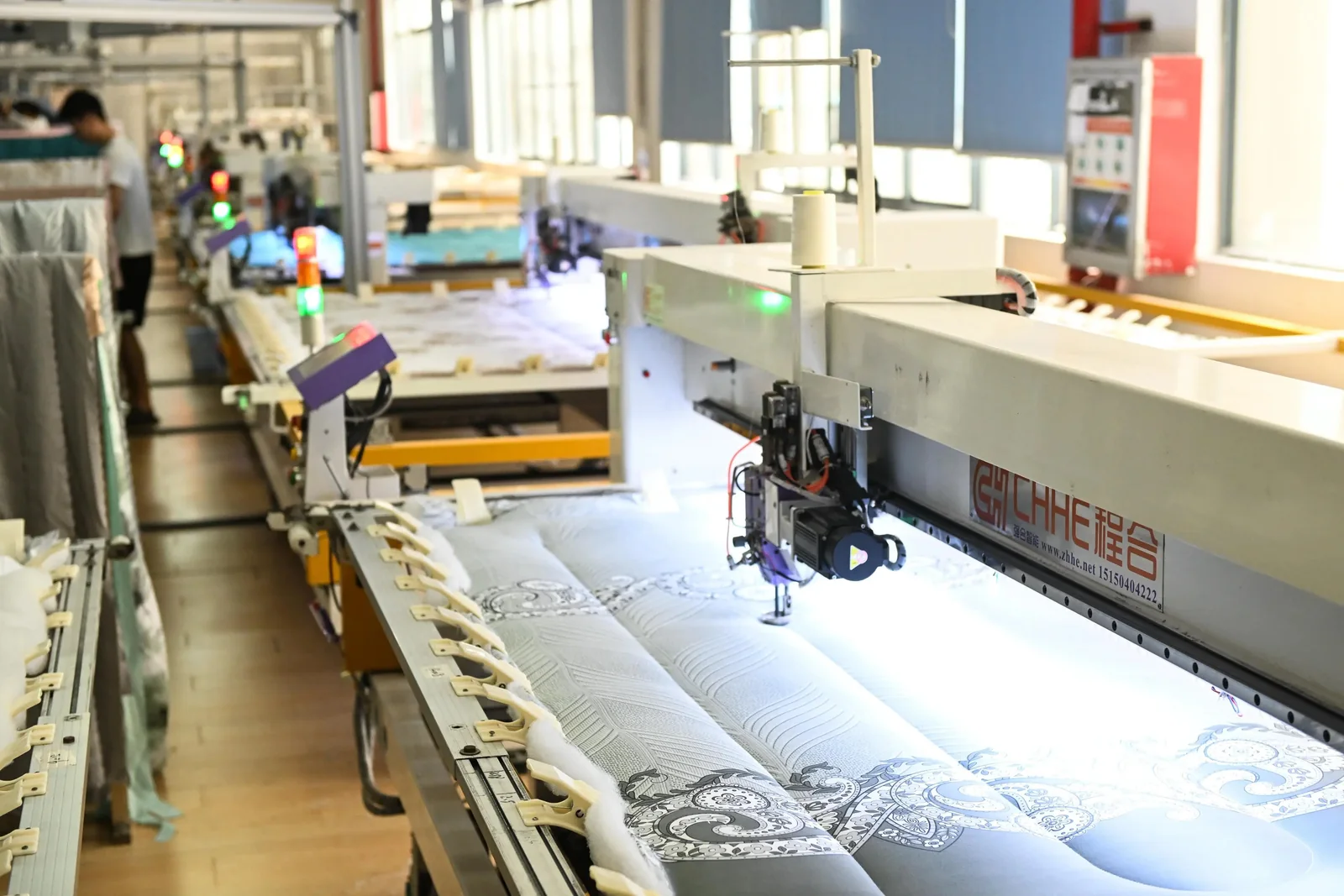
Start from an existing construction or a reference concept, then define the commercial range.
Build coordinated product groups for seasonal, retail or project-based assortments.
Specify decorative construction, fabric, colour, trim and component dimensions.
One team coordinates product development, sampling, production checks and packing requirements.
Product programs
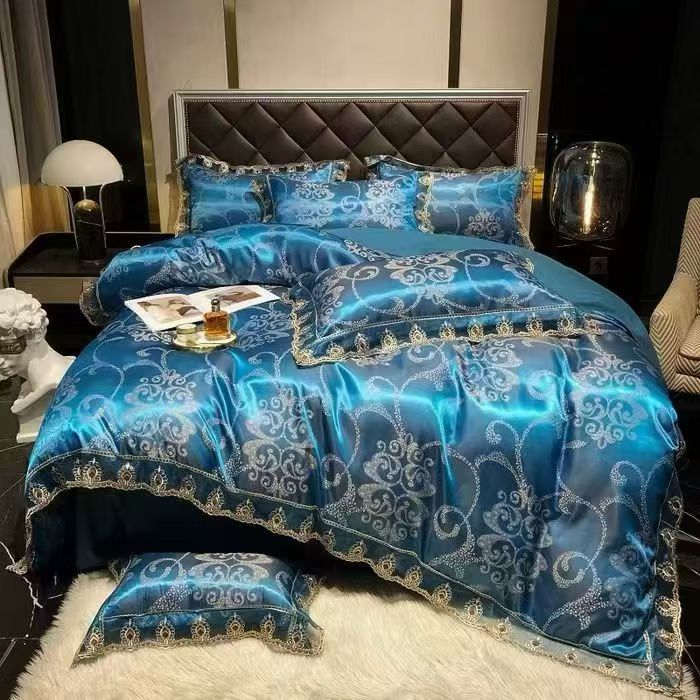

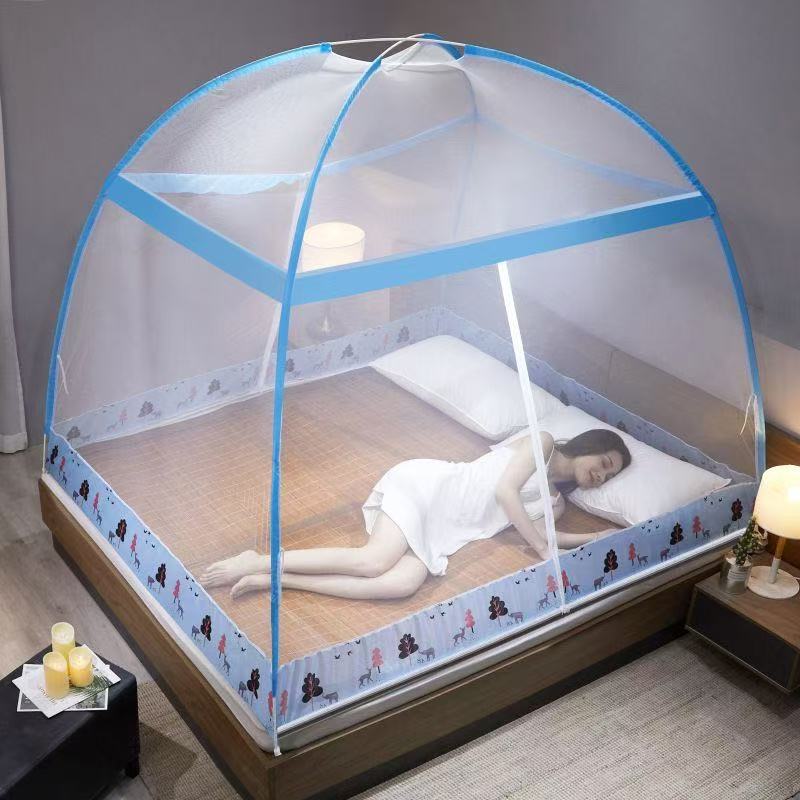
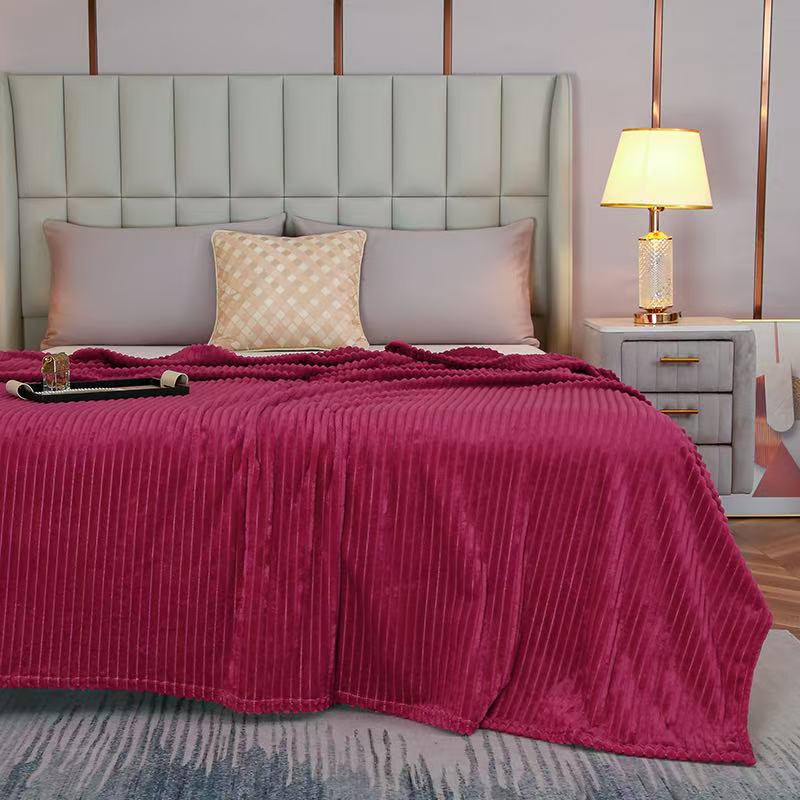
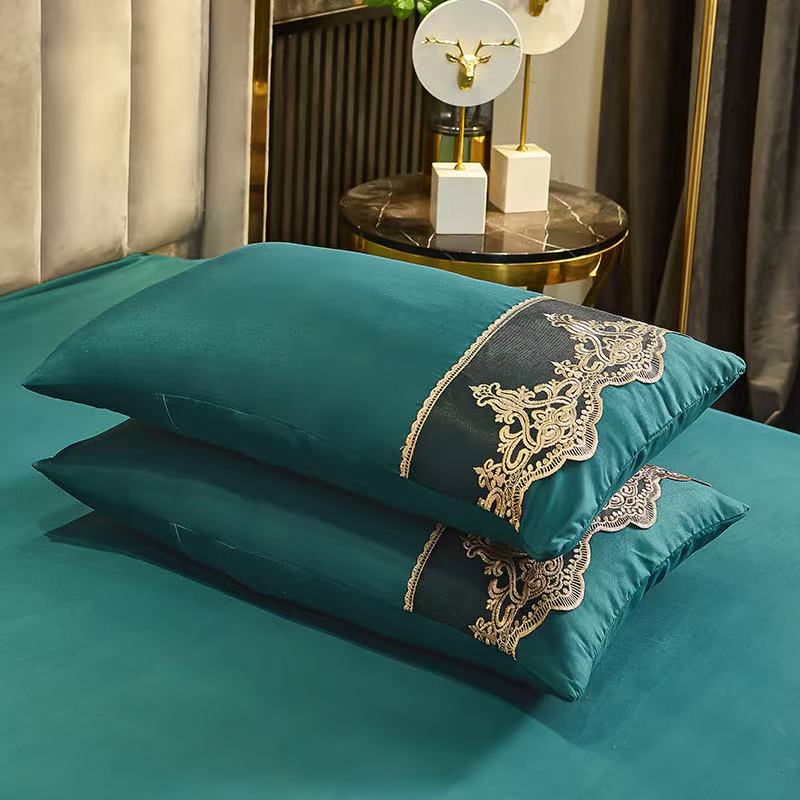
Shell fabric, filling, firmness, shape, logo treatment and individual packing.
What you can customize
Use the sample stage to align the visible product choices and the operational details that ensure consistent bulk production.
View Packaging Options ->Composition, weave, pile, GSM, finish, care expectations and target price positioning.
Regional dimensions, component count, pillowcase configuration and fitted-sheet pocket depth.
Solid colour, print, embroidery, jacquard, lace, piping, quilting and seasonal direction.
Woven labels, wash labels, inserts, barcodes, bags, boxes, carton marks and packing method.
Development support
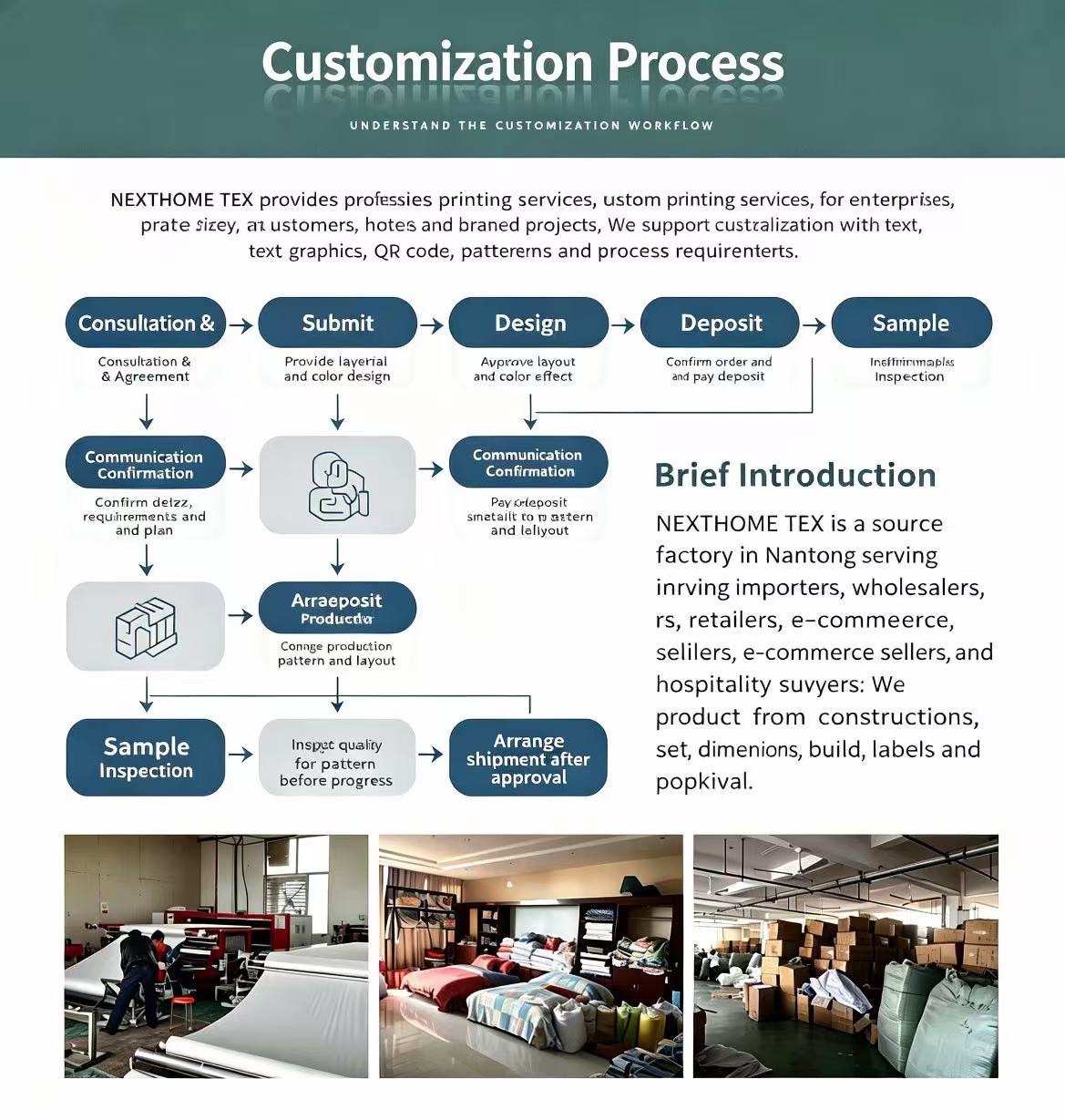
Our development workflow combines buyer requirements with practical production details, so the approved sample can be carried into a clear bulk-order specification.
The working process
Product category, destination market, target quantity and reference images.
Fabric, dimensions, colours, trims, branding and packing requirements.
Check the agreed build, handfeel, visual finish and component details.
Lock the final requirements for production planning, inspection and packing.
Confirm product, packing and carton details before delivery arrangements.
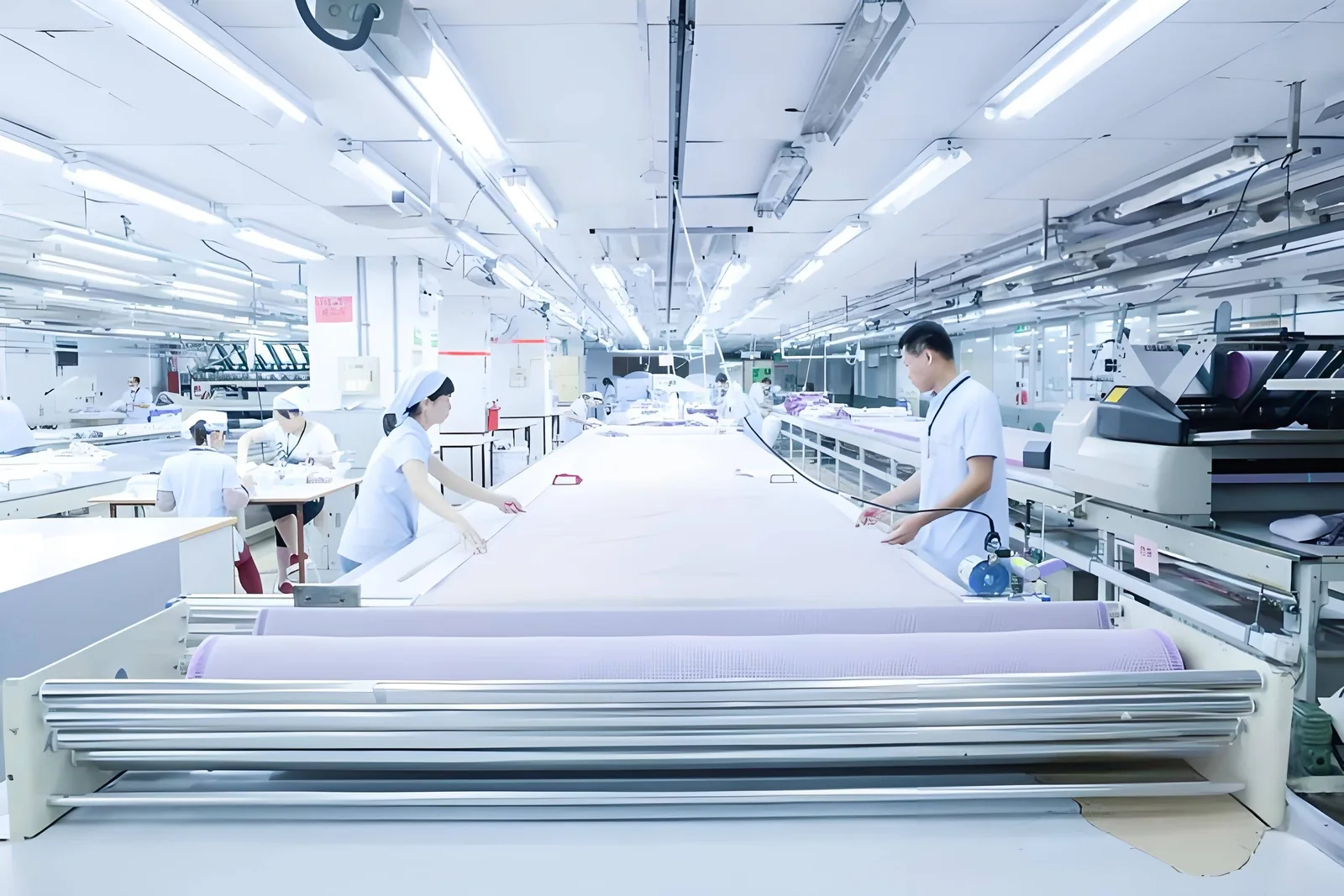
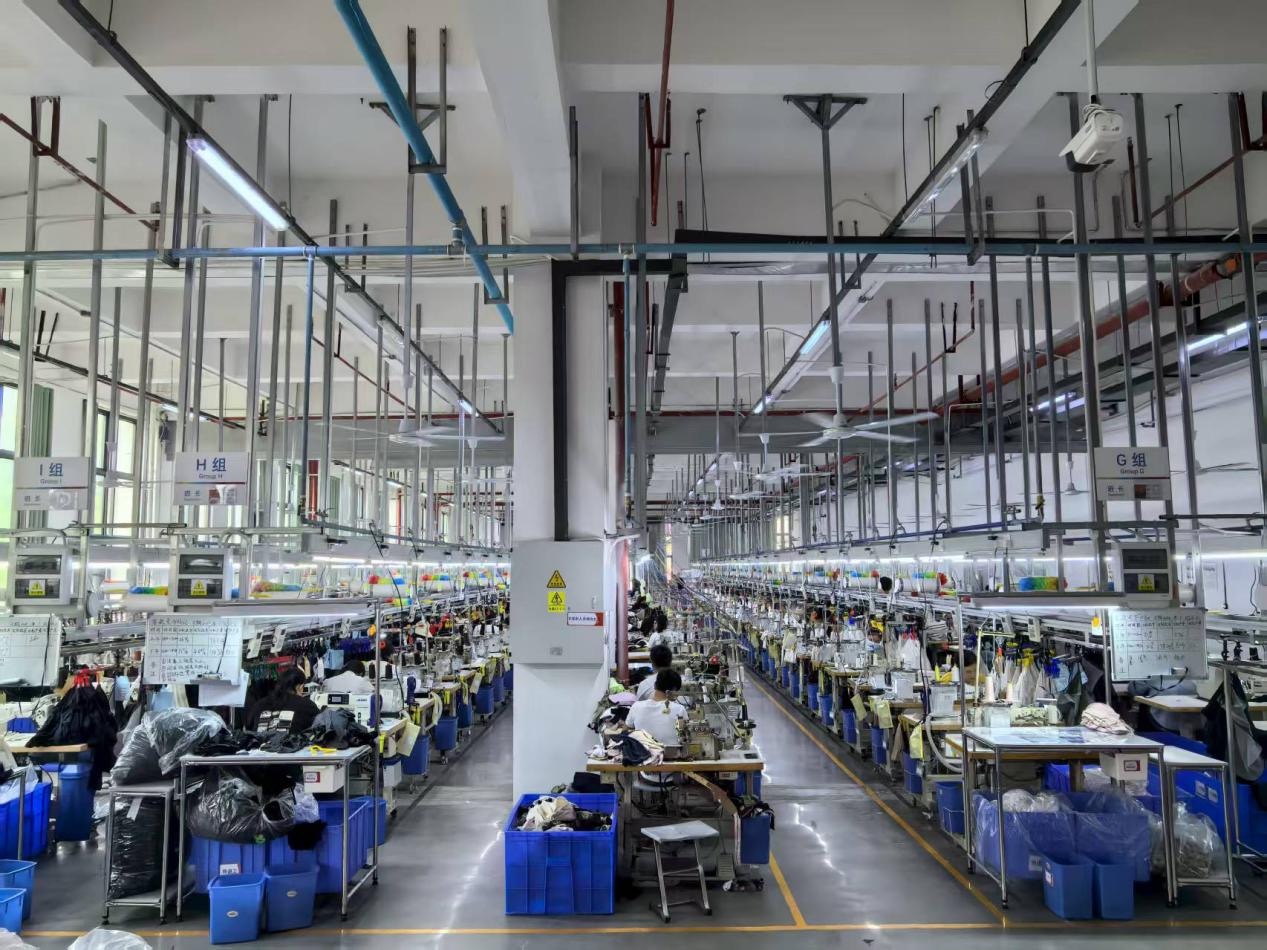
Production readiness
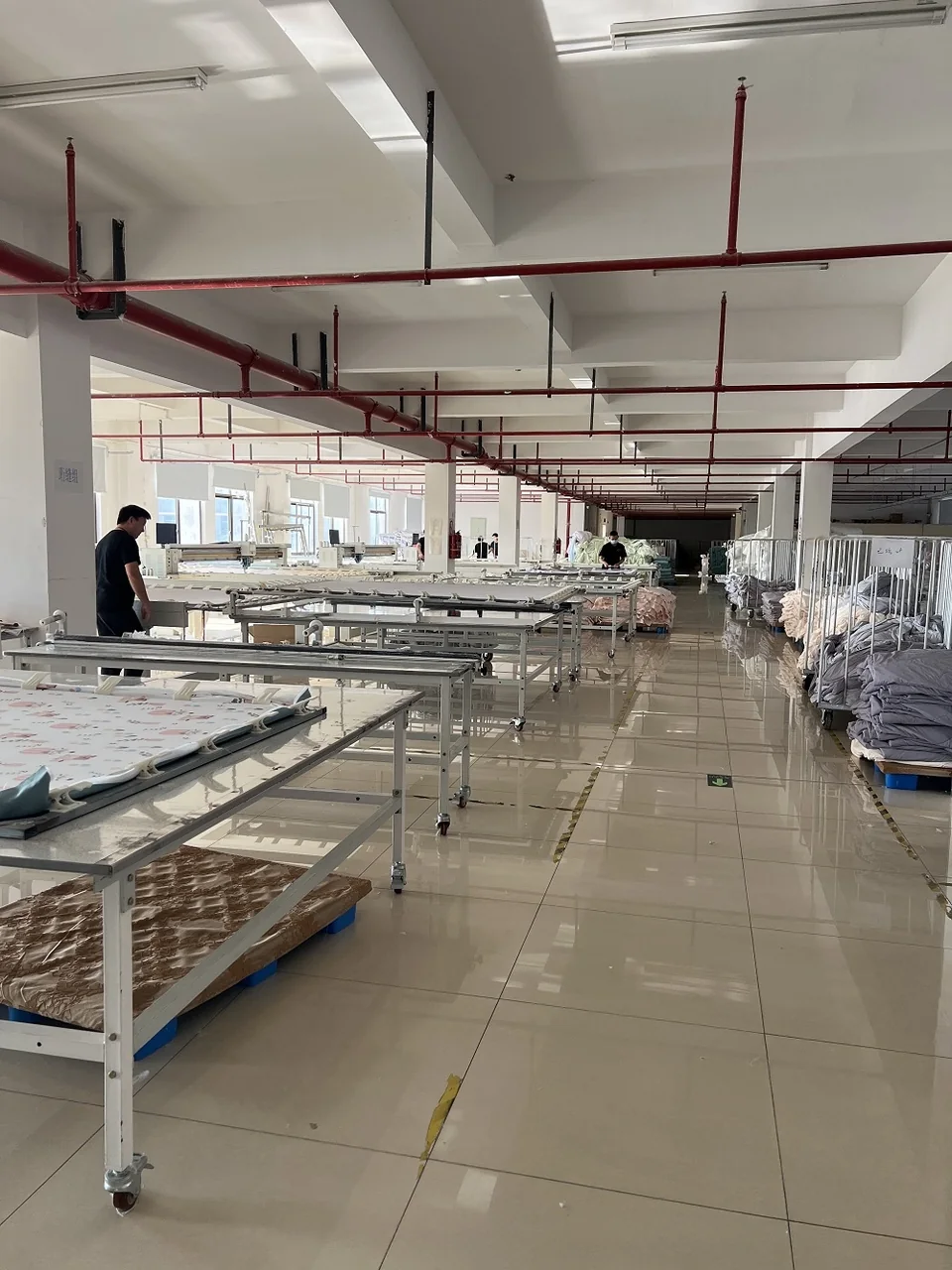
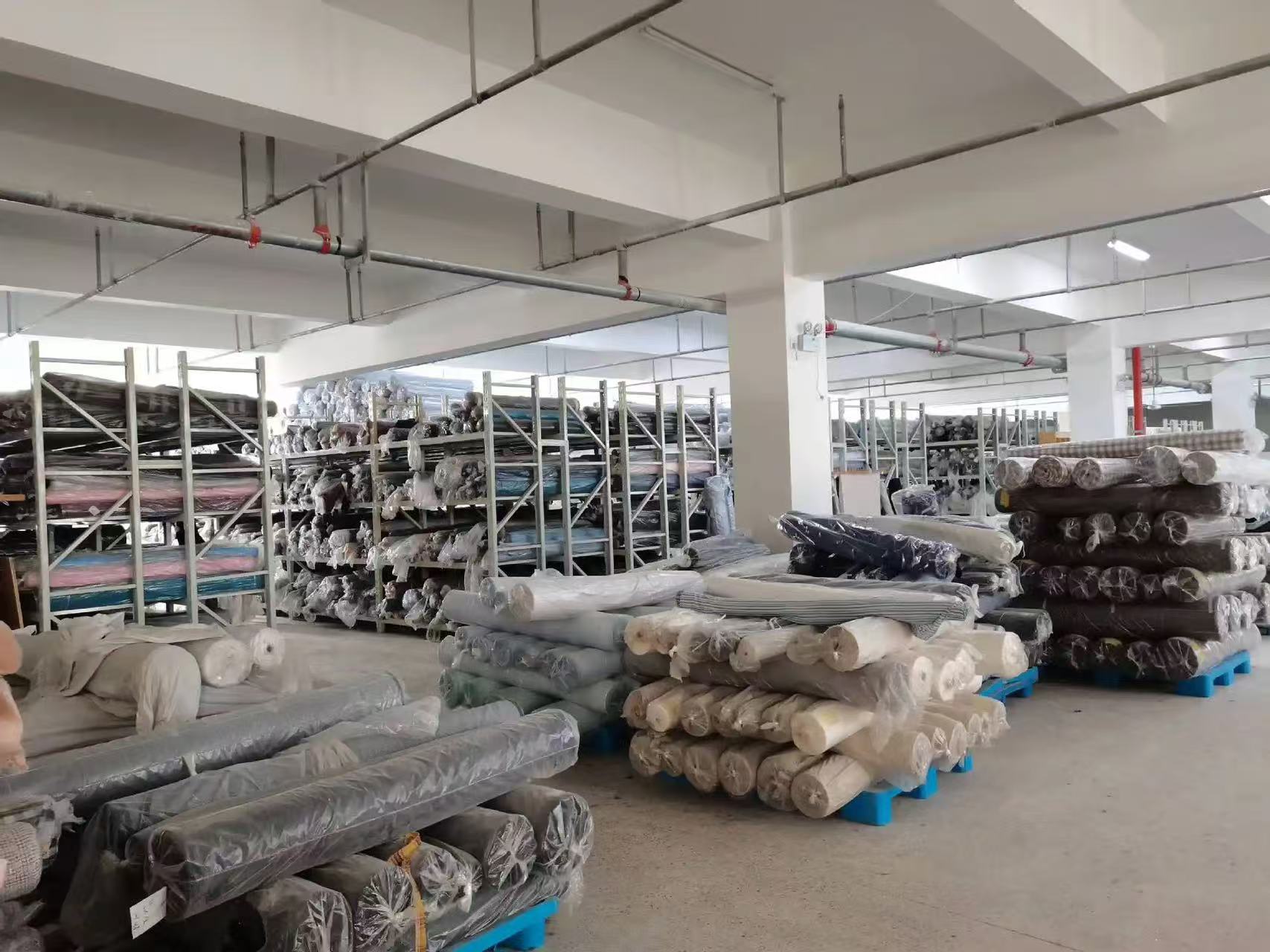
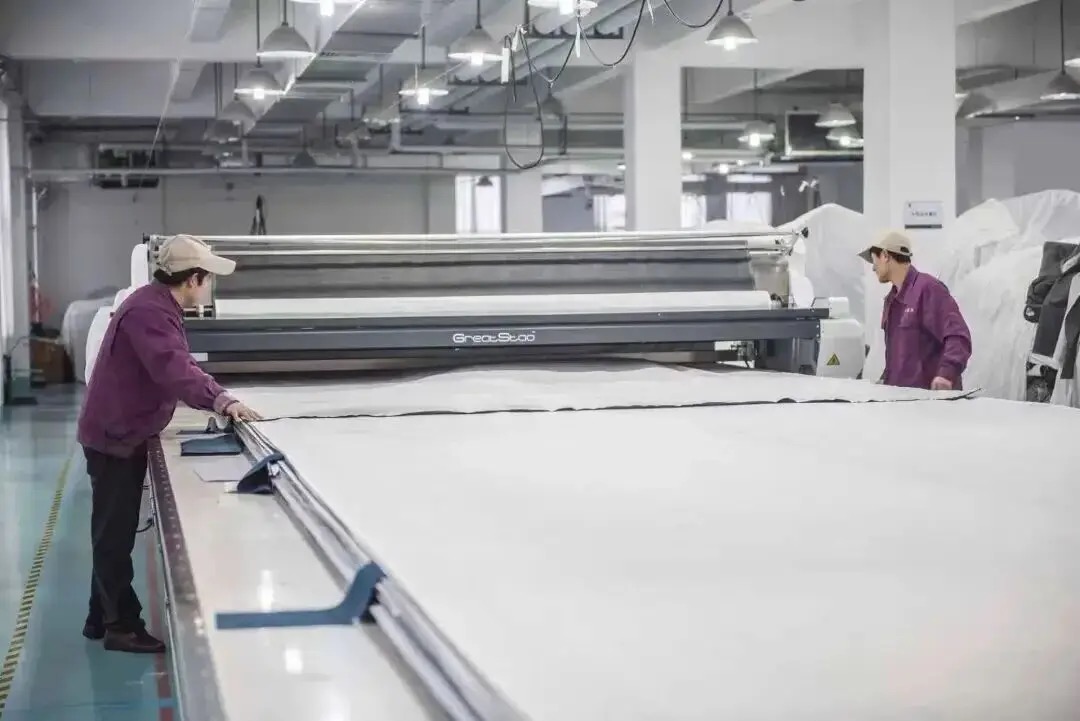
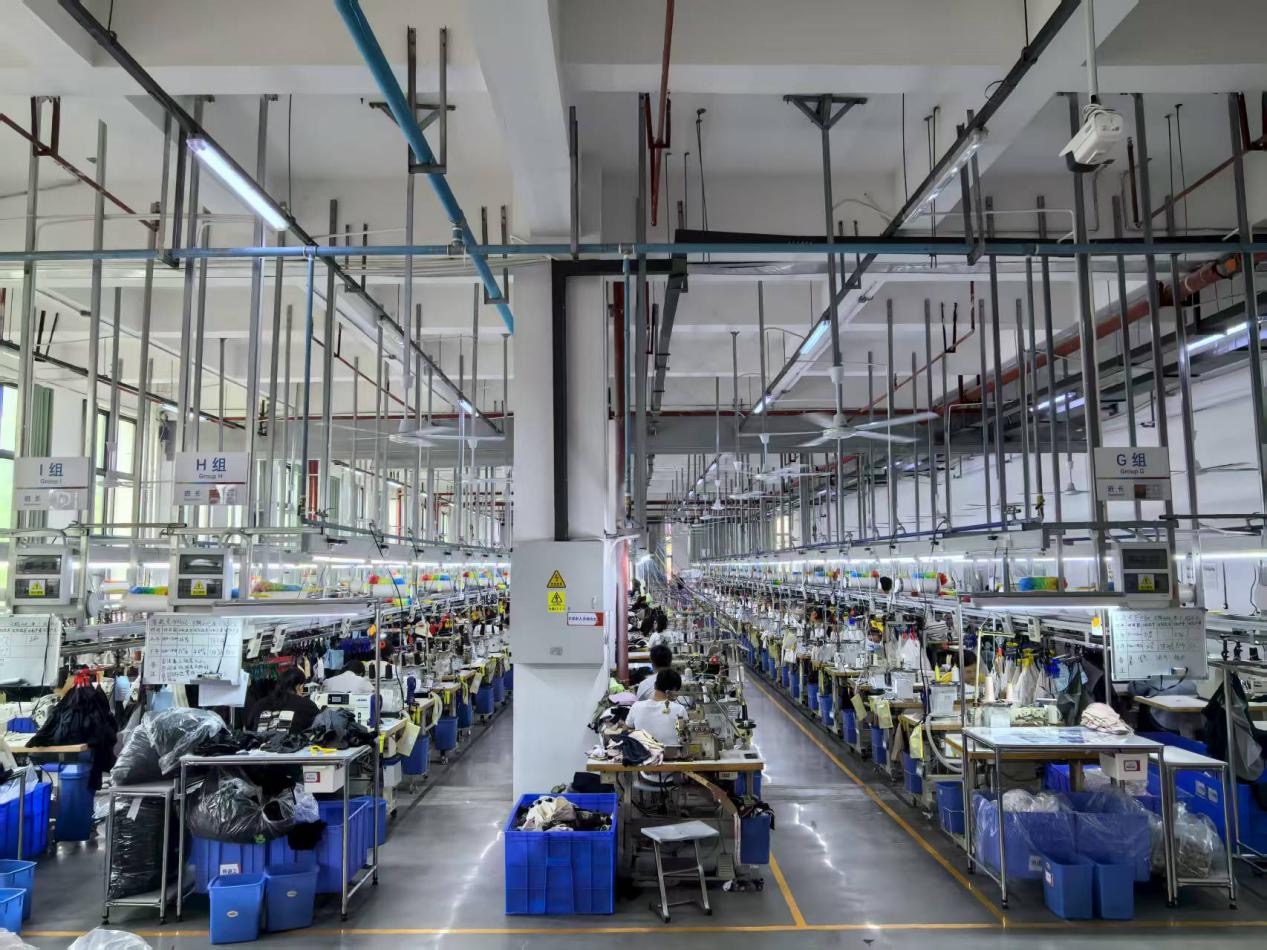
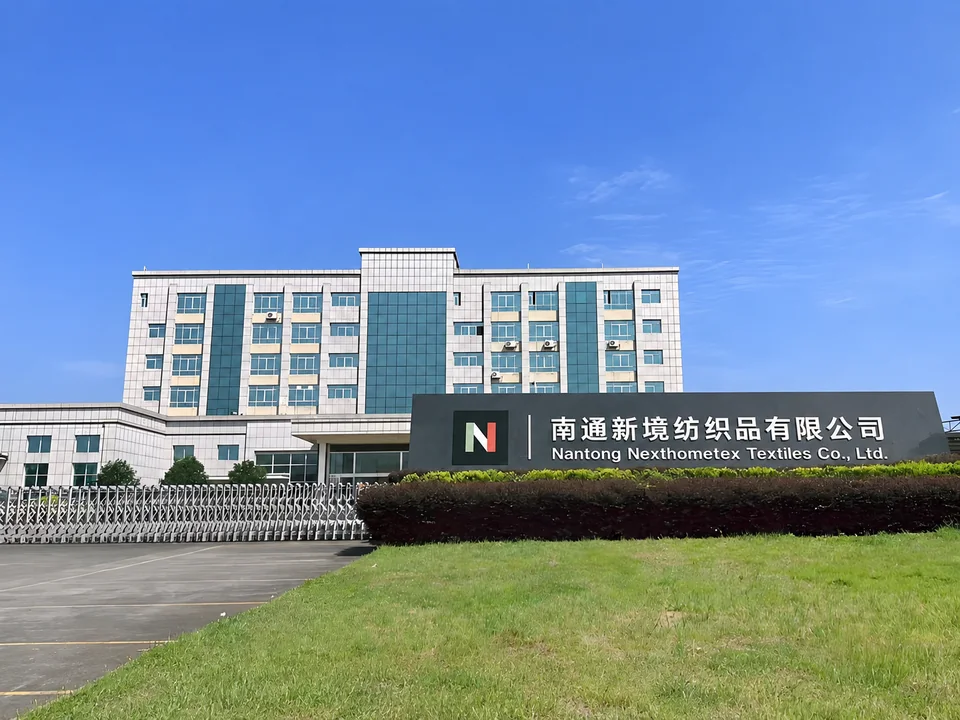
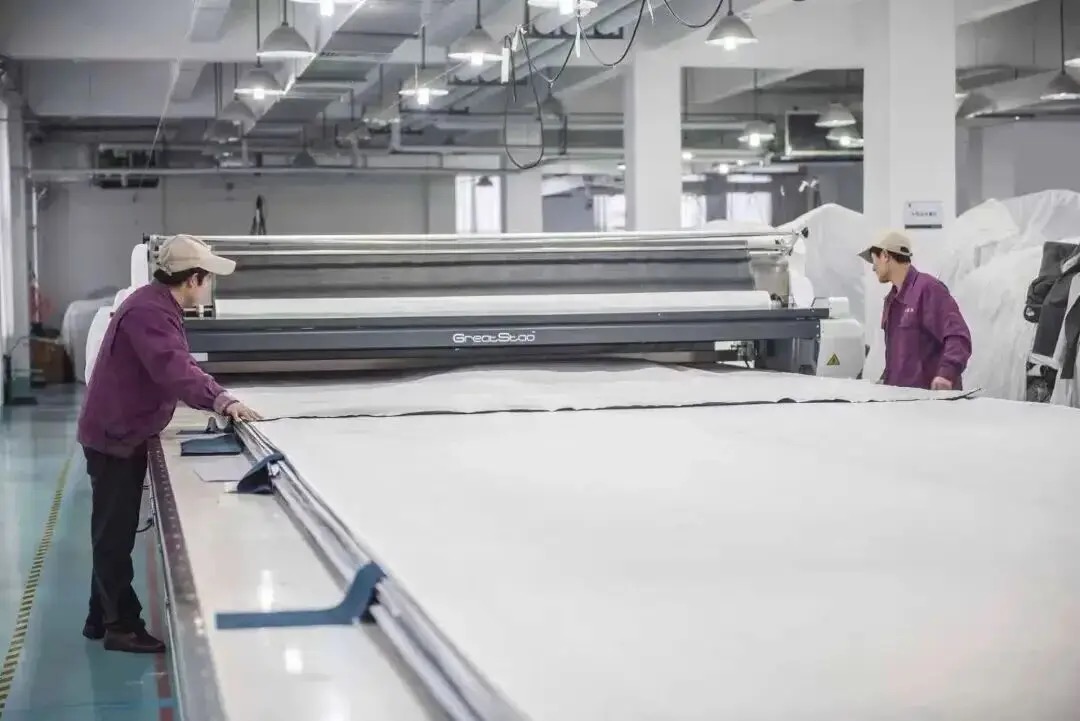
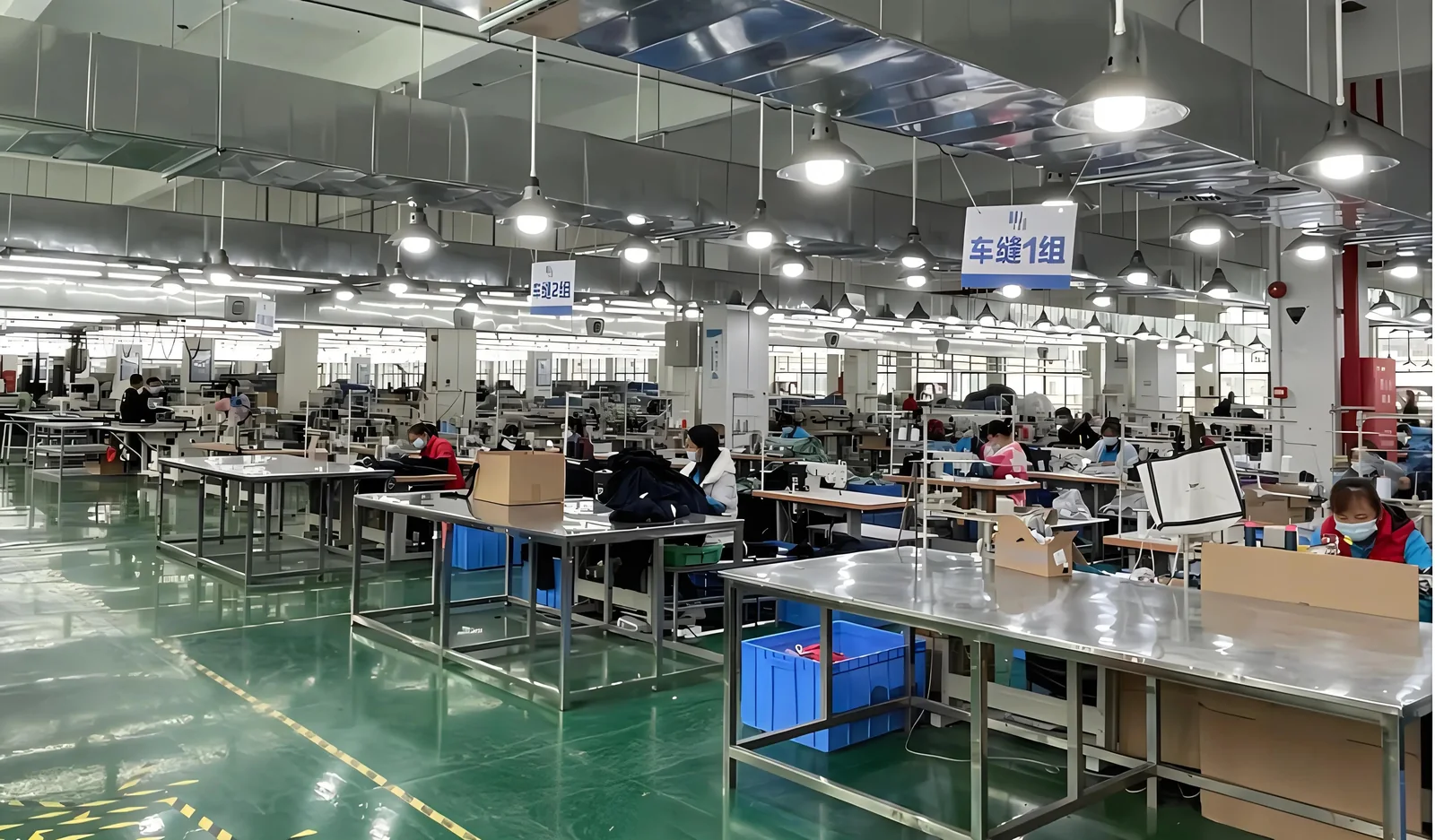
Material handling, work areas and finished-goods preparation shown through the supplied OEM production imagery.
OEM FAQ
OEM bedding orders can include custom fabric, handfeel, size, component configuration, colour, print, embroidery, jacquard, lace, labels, inserts, barcodes, bags, boxes and carton marks.
A custom project starts with the product category, target market, estimated quantity, reference images, size table, fabric direction and packaging expectations.
Yes. The sample stage is used to confirm material, dimensions, workmanship, colour direction, component count and packing presentation before bulk production is planned.
Yes. Buyers can discuss woven labels, care labels, inserts, barcodes, retail bags, boxes, carton marks and other packing details for private-label bedding programs.
Start a project
Tell us the product, destination market, quantity and the level of customization required. We will use this to prepare the right product discussion and quotation.
Reference images, dimensions, fabric preferences, target price level, quantity and preferred packing.