Import planning
How to Import Bedding Sets from China
A successful import begins with a product specification that a factory can quote and a destination-market plan that an importer can clear. Keep those two workstreams aligned from the first inquiry, not just when the cartons are ready to ship.
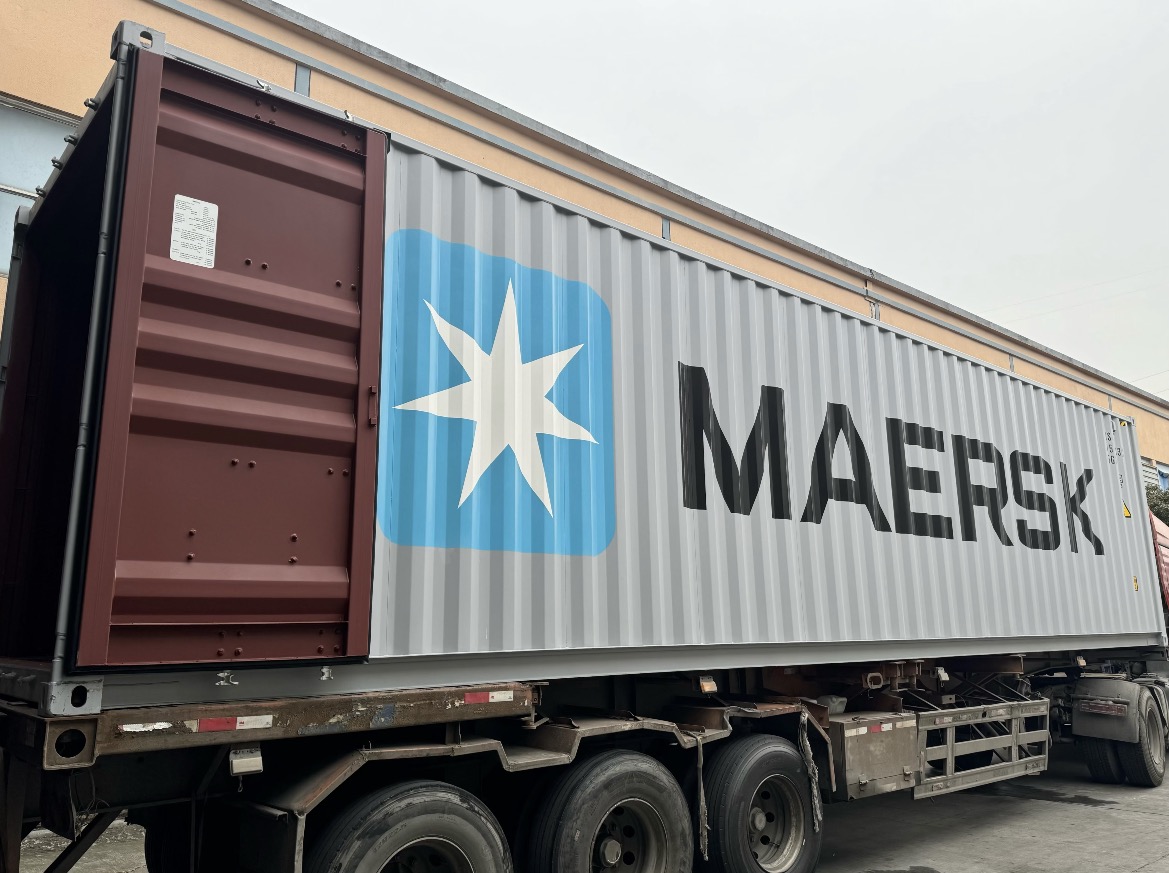
What is the import process?
For a wholesale bedding order, the workable sequence is: define the destination and product; confirm factory fit; agree the specification and quotation basis; approve a sample; document production and inspection rules; verify packing and shipping documents; then arrange import clearance and delivery. The importer should check destination-specific duties, product rules and filing requirements with its customs broker or competent authority before placing the order.
1. Define the destination market and the exact bedding product
Start with the country of sale, sales channel, buyer entity and intended use. A “four-piece set” is not a sufficient customs or production description: duvet-cover, sheet and pillowcase configurations differ by market. Record the exact components, finished dimensions, fibre composition, construction, colour, labels and unit-pack format for each SKU.
Ask the importer or broker to confirm the destination tariff classification and applicable import requirements. The World Customs Organization's Harmonized System is the international classification framework; the final duty and requirements depend on the destination and product details. For EU imports, the European Commission's import guidance points buyers to product-specific requirements. For US imports, US Customs and Border Protection explains that using a broker does not remove the importer's responsibility for compliance.
2. Request a comparable factory quotation
Send each prospective supplier the same brief: product drawings or references, size table, component list, fabric and handfeel target, quantity by size and colour, branding files, packaging, testing requests, delivery destination and target timing. Compare offers only after these fields and the sample scope match. A low unit price can hide a different fabric, smaller finished size or missing packing requirement.
Separate factory pricing from the complete landed-cost estimate. The latter may include freight, insurance, import duties, taxes, clearance, inland transport and other destination charges. Have the forwarder and broker validate the current figures for the selected route; do not treat a factory quote as a delivered cost. Use the quotation guide and inquiry checklist to build a comparable brief.
3. Agree the trade term and delivery point in writing
Name the applicable Incoterms rule, version and named place in the purchase documents, then specify who books carriage, arranges insurance, handles export and import clearance, and pays each charge. The International Chamber of Commerce explains that Incoterms allocate obligations, risk and costs, but do not replace the sales contract. Ask the forwarder to review the selected rule against the actual route before confirming the purchase order.
4. Approve the physical product and all customer-facing details
Use a dated specification and an approved sample as the production reference. Check dimensions, set contents, colour, fabric handfeel, seams, closures, care and fibre labels, barcode data, retail pack and master carton. Record requested corrections and the approved version; a photograph alone may not resolve handfeel or fit. The sample approval checklist covers the inspection points in detail.
5. Release production, inspect and prepare documents
Before bulk production, align the final specification, approved sample, purchase order, quantity by SKU, inspection criteria and shipping window. Before shipment, reconcile carton counts, marks, weights and the packing list against the order. Obtain the commercial and transport documents required by the agreed route, and have the importer or broker check destination entry requirements before dispatch. Use the shipment release checklist and document guide for the operational handoff.
What should an importer send in the first inquiry?
- Destination country, sales channel and target delivery point
- Product category, components, sizes and quantity by SKU
- Fabric, construction, colour and performance requirements
- Reference photos, artwork, labels, barcodes and unit packaging
- Testing or inspection instructions from the buyer or destination market
- Preferred shipping route and trade term, if already agreed with the forwarder
This is a sourcing workflow, not a tariff ruling or legal opinion. Product classification, duties and compliance obligations must be checked for the actual goods and destination at the time of import.
Start with a clear bedding brief
Share your product, destination market, sizes, quantities and packaging requirements for specification review.
Prepare an inquiry