Winter Bedding Range Planning for Wholesale Customers
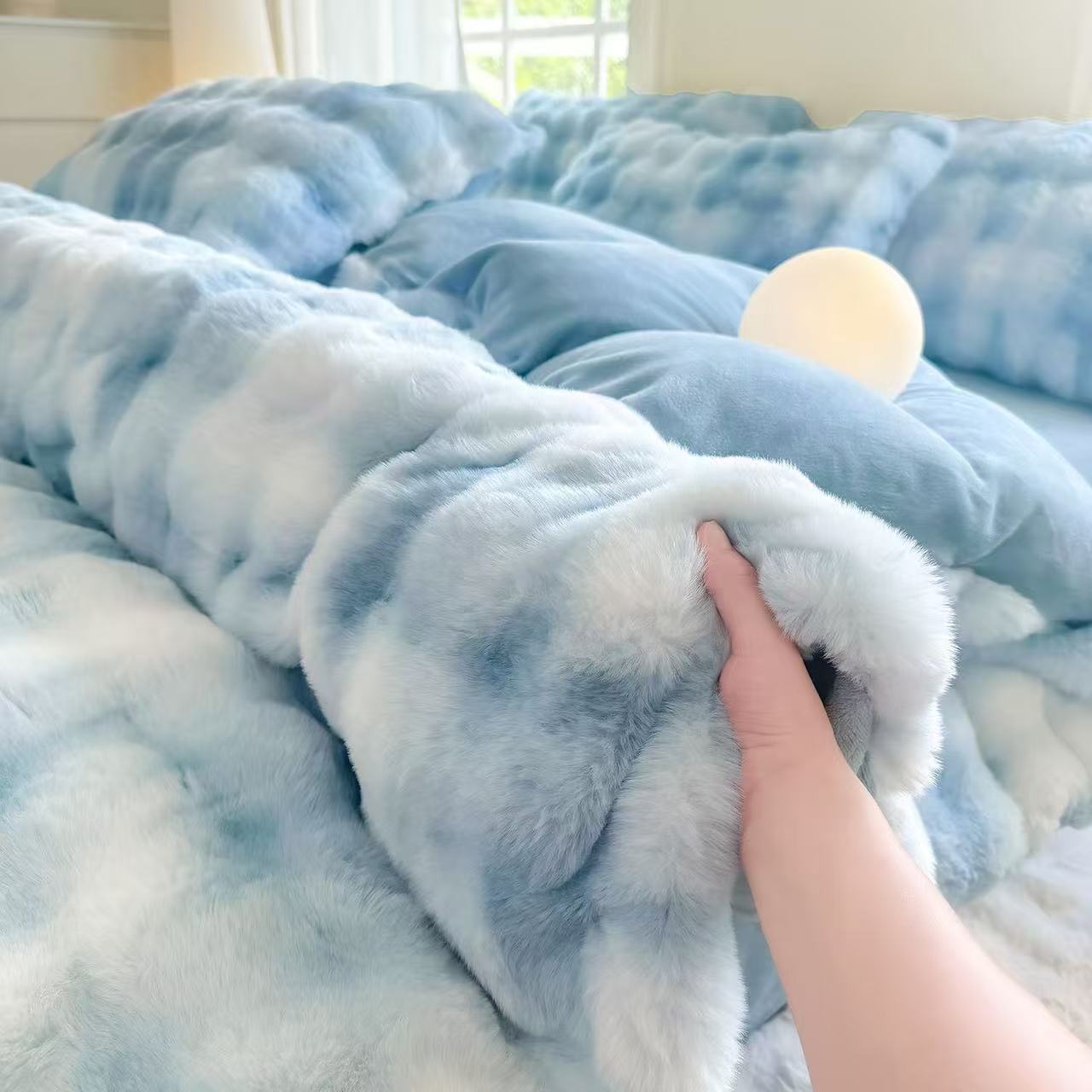
A winter bedding range should be easy for buyers to compare, for sales teams to explain and for suppliers to quote. That requires more than choosing a warm-looking fabric. Importers, distributors and retailers need to decide who the range serves, what each SKU includes, how sizes will be controlled and which buying route fits the order.
The aim is not to build the largest possible assortment. It is to create a focused range in which every colour, size and pack format has a clear role. The following planning sequence can be used before requesting current availability or a wholesale quotation.
Define the Customer and Selling Window
Start with the intended customer, retail channel and expected selling period. A value-focused retail promotion may need a simple component structure and a narrow colour selection. A specialist home-textile store may need more coordinated options or a stronger presentation pack. An online seller also needs product names, dimensions and pack contents that can be described consistently across listings.
Write down the destination market, planned launch window, target consumer, sales channel and estimated quantity. Treat the estimated quantity as planning information rather than a promise. The supplier can then confirm which products are available, which require production and which details must be approved before a quotation is final.
Avoid describing the brief only as “winter bedding” or “warm bedding.” Those phrases do not define the product. State whether the range is intended for bedroom use, gifting, seasonal promotion or repeat wholesale supply, and identify the customer problem each group is meant to solve.
Build a Controlled Assortment Instead of Too Many SKUs
Every added size, colour and component combination creates another SKU to price, label, pack, store and replenish. A disciplined range begins with a small core and adds variation only where it supports a clear selling need.
Create a range table with one row per proposed SKU. Include the product type, finished size, component count, colour or design reference, unit pack and planned quantity. Mark which rows are essential for launch and which are optional. This makes it easier to remove duplication before sampling or quotation work begins.
For mixed-design orders, ask how many designs can be combined and whether quantities are controlled per design, per size or per carton. These rules vary by product and current availability, so they should be confirmed during quotation rather than assumed from a previous order.
Specify Warmth Through Materials and Construction
Warmth is affected by the complete product, not by a seasonal name alone. For bedding sets, confirm the fabric construction, pile direction where relevant, backing or reverse fabric, component sizes, closures and decorative details. For quilts, comforters or blankets, specify the outer material, fill direction, construction and finished weight or other agreed reference.
Words such as soft, thick, premium and warm are subjective. Pair them with an approved physical sample, material swatch, measurable specification or agreed comparison reference. If the material has a visible pile, review shade and appearance from more than one direction because the surface can look different as the pile changes orientation.
Ask the supplier to identify any specification that still needs confirmation. “Depending on product specification” is more useful than a confident but unsupported promise, especially when fabric, size and pack format can change the result.
Confirm Sizes, Components and Labels
Do not rely on market names such as Queen or King without finished measurements. The same name can be used for different dimensions. List every finished size in centimetres or another agreed unit and state the acceptable tolerance where it matters.
For a bedding set, record the number and dimensions of duvet covers, flat or fitted sheets, pillowcases and any decorative components. For fitted products, include mattress length, width and depth. For filled products, distinguish shell dimensions from fill information. Component count on the label, product page, packing list and physical pack should match.
Prepare label and care-information requirements early. Confirm brand label, size label, care label, country-of-origin information, barcode and carton marks as separate items. The applicable wording and documentation depend on the destination and selling channel, so buyers should provide their compliance requirements for review rather than copying another market's label.
Choose the Buying Route Before Requesting Prices
The right buying route depends on the required flexibility and order structure.
- Ready Stock: suitable when the buyer wants to review products that may already be available. Current availability, colours, quantities and packing still need confirmation.
- Mixed Designs: useful when the commercial goal is to combine several available designs rather than develop every design from the beginning. Confirm the mix rules during quotation.
- Wholesale Bedding: appropriate for a defined assortment with clear quantities by SKU and agreed supply terms.
- OEM / ODM: intended for larger programmes that require product development, custom labels, packaging or other specification work. Feasibility and minimum quantities depend on the final brief.
A smaller buyer asking for custom development does not need to be rejected. The supplier can first check whether a ready-stock or mixed-design route meets the commercial need with less development work.
Approve the Sample and Packing Together
Review a complete sample rather than approving colour or fabric in isolation. Check finished dimensions, component count, handfeel, shade, pile direction, symmetry, seams, closures, labels and visible workmanship. Record each decision so the production and inspection teams use the same reference.
Packing should be reviewed at the same stage. Confirm the unit pack, insert card, barcode position, folding method, carton quantity and carton marks. Open and repack the sample to see whether the presentation remains clear and whether components can be counted without confusion. If compression is proposed, ask how the product should recover after unpacking and approve the method before bulk packing.
Keep an approval record containing dated photos, measurements and written comments. A clear record is more dependable than an informal message saying that a sample “looks fine.”
Prepare a Quotation Suppliers Can Answer Clearly
A useful wholesale RFQ gives the supplier enough information to separate confirmed facts from open questions. Include:
- destination market and sales channel;
- product type and buying route;
- finished sizes and component count;
- fabric, construction and colour references;
- quantity by SKU or design;
- label, barcode and packing requirements;
- requested delivery window and shipping destination;
- sample, inspection and document expectations.
Ask for current availability, MOQ, price, packing and lead time to be confirmed against this exact brief. If an item is available only on request, keep that status visible until the supplier confirms otherwise. Comparing quotations is much easier when each supplier is pricing the same specification and clearly listing assumptions.
Frequently Asked Questions
How many colours should a first winter range include?
There is no universal number. Begin with the smallest group that covers the intended customer and selling channel, then add colours only when they serve a distinct role. Confirm quantities per colour or design before finalising the range.
Can buyers combine several winter bedding designs in one order?
Mixed-design purchasing may be available, but the combination rules depend on the products, sizes, packing and current availability. Send the proposed design and quantity breakdown so it can be checked during quotation.
What should be approved before bulk production?
Approve the complete specification, finished sample, component measurements, colours, labels and packing method. Record the approved details in writing and define the inspection points that will be checked against them.
Continue From Range Plan to Product Brief
Choose a regional sourcing context, review a relevant category and use a real product page as the reference in your enquiry. These links do not claim current stock or market-specific sales; availability and commercial terms remain subject to confirmation.