Waterproof Fitted Sheet Specification Checklist
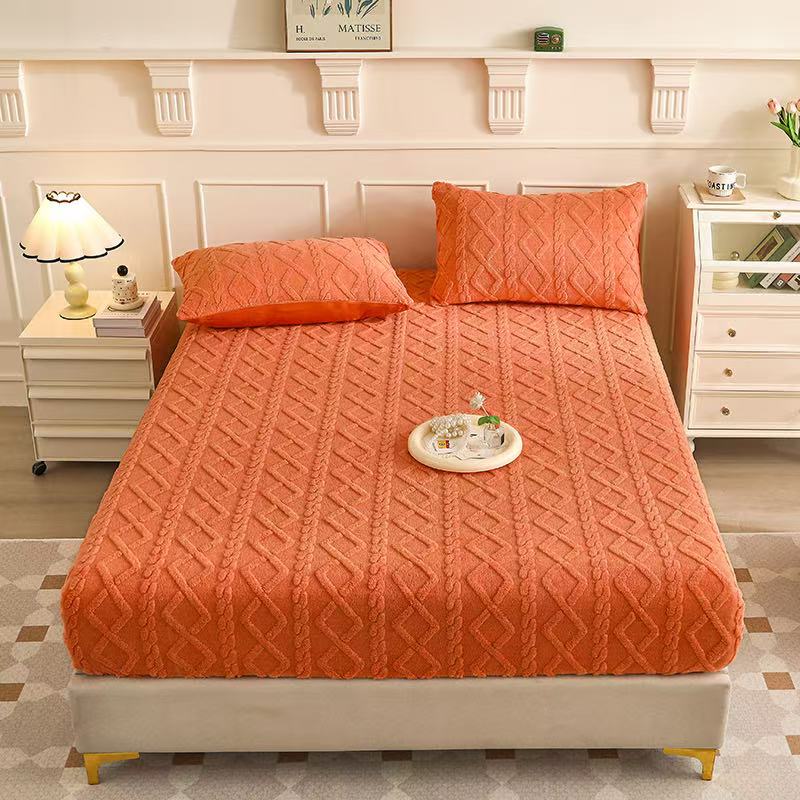
A waterproof fitted sheet must be judged as a complete sewn product, not only as a fabric swatch. The face fabric, barrier layer, elastic construction and finished fit all affect the customer's experience. Wholesale buyers get more consistent results when they turn that direction into a documented product brief, a complete approval sample and a repeatable inspection process. This checklist helps purchasing teams ask the right questions before pricing, sampling and bulk approval.
Start With the Commercial Brief
State the destination market, sales channel, target retail position, planned delivery date and estimated quantity. These details guide material and construction choices more reliably than a reference photo alone. Define the customer problem the product should solve: overnight protection, children's bedding, hospitality use or an easy-care retail offer may require different priorities. Decide which elements are essential and which remain flexible before a supplier begins development.
For the commercial brief, record:
- Mattress width, length and height range for every intended size
- Whether the product is sold alone, paired with a mattress protector or part of a bedding set
- Target price position, order quantity by colour and desired launch date
- Local labelling, fibre-content, care and packaging requirements
- The agreed use case and any claims that need evidence before they appear on packaging
Write a Measurable Product Specification
List every component, finished measurement, material direction, colour reference, closure, decorative detail and tolerance that matters. Use drawings or marked photos for placement details. Avoid broad descriptions such as premium or soft unless they are supported by a sample, measurable target or agreed reference. A useful sheet specification distinguishes the sleeping surface from the skirt: identify the face fabric and backing or membrane construction, then state the skirt fabric separately if it differs.
Your specification sheet should include:
- Cut size and finished tolerance for each mattress size, including corner shape and stated pocket depth
- Face fabric composition, weight or approved swatch, plus the waterproof barrier-layer type and placement
- Skirt construction, elastic coverage or elastic length, seam type and reinforcement at stress points
- Colour standard, print repeat direction, label location and care instruction wording
- The method and acceptance level for checking liquid resistance, seam leakage and fit on a representative mattress
Approve the Complete Sample
Review a finished sample in the same way the end customer will see and use it. Put it on a mattress at both the minimum and maximum stated heights; this is often where an otherwise attractive sample fails. Check handfeel, appearance, symmetry, component count, seams, labels and care information. Test packing and unpacking where presentation matters. Record decisions in writing so the factory and inspection team use the same baseline.
During sample approval, verify:
- The sheet remains secure through fitting and removal without overstretching the elastic
- The barrier side is correctly orientated, the sleeping surface is smooth and seams do not create uncomfortable ridges
- Liquid exposure is evaluated on the specified surface and at critical sewn areas, with the test conditions recorded
- Colour, print registration and fabric appearance match the signed standard under the agreed viewing conditions
- Any wash, drying or care review is tied to the instructions that will be supplied to customers
Plan Quality Control and Packing
Set inspection points before production starts: incoming materials, cut dimensions, workmanship, colour, accessories, labels and carton marks. Define who may approve deviations and how defects are recorded. Confirm unit packing, barcode position, master-carton quantity and handling requirements. A packing trial can expose issues with folds, compression, damage risk or warehouse handling while changes are still practical.
For bulk quality control and packing, set:
- A pre-production sample that matches the approved fabric, membrane, elastic and trims
- Inspection measurements for pocket depth, overall fit, elastic attachment and seam appearance
- A defined sampling plan for missed stitches, loose threads, stains, delamination or visible colour variation
- Separate checks for size stickers, fibre and care labels, barcode readability and carton shipping marks
- Folding instructions and pack dimensions that protect the barrier layer from sharp creases or transit damage
Prepare a Clear Quotation Request
Send the approved brief with quantity by SKU, target delivery window, destination, required documents and packaging direction. Ask suppliers to identify assumptions instead of hiding them in a single price. Compare quotations on the same specification; a lower price may reflect a different face fabric, barrier layer, elastic coverage, packing format or service scope. Request separate visibility for sampling, testing, packaging development and freight terms when those items are relevant.
Ask every supplier to state:
- The quoted material construction and whether it matches the approved reference exactly
- MOQ and lead time by size, colour and packaging format, including any material-order constraints
- What testing, records or certificates can be supplied and which party is responsible for approval
- The sample revision process, bulk-production approval point and remedy for nonconforming units
- Any quotation assumption that would change price, delivery timing or the finished product specification
Frequently Asked Questions
Which specification detail most often causes fit complaints?
Pocket depth and elastic construction frequently cause problems when they are left as a general description. State the mattress-height range, finished tolerance and fitting method, then assess the complete sample on representative mattresses.
Can a reference photo replace a specification?
No. A photo is useful for direction, but dimensions, materials, construction, labels and packaging still need written approval.
When should packaging be approved?
Approve it with the finished product before bulk production so protection, presentation and carton fit can be checked together.
Develop Your Bedding Programme
NEXTHOME TEX supports wholesale and private-label bedding development. Share your market, product brief, dimensions, material direction, quantity and delivery target to begin a focused sample review. Explore bedding collections or review OEM options.