How to Test Bedding Colour Fastness Before Bulk Production
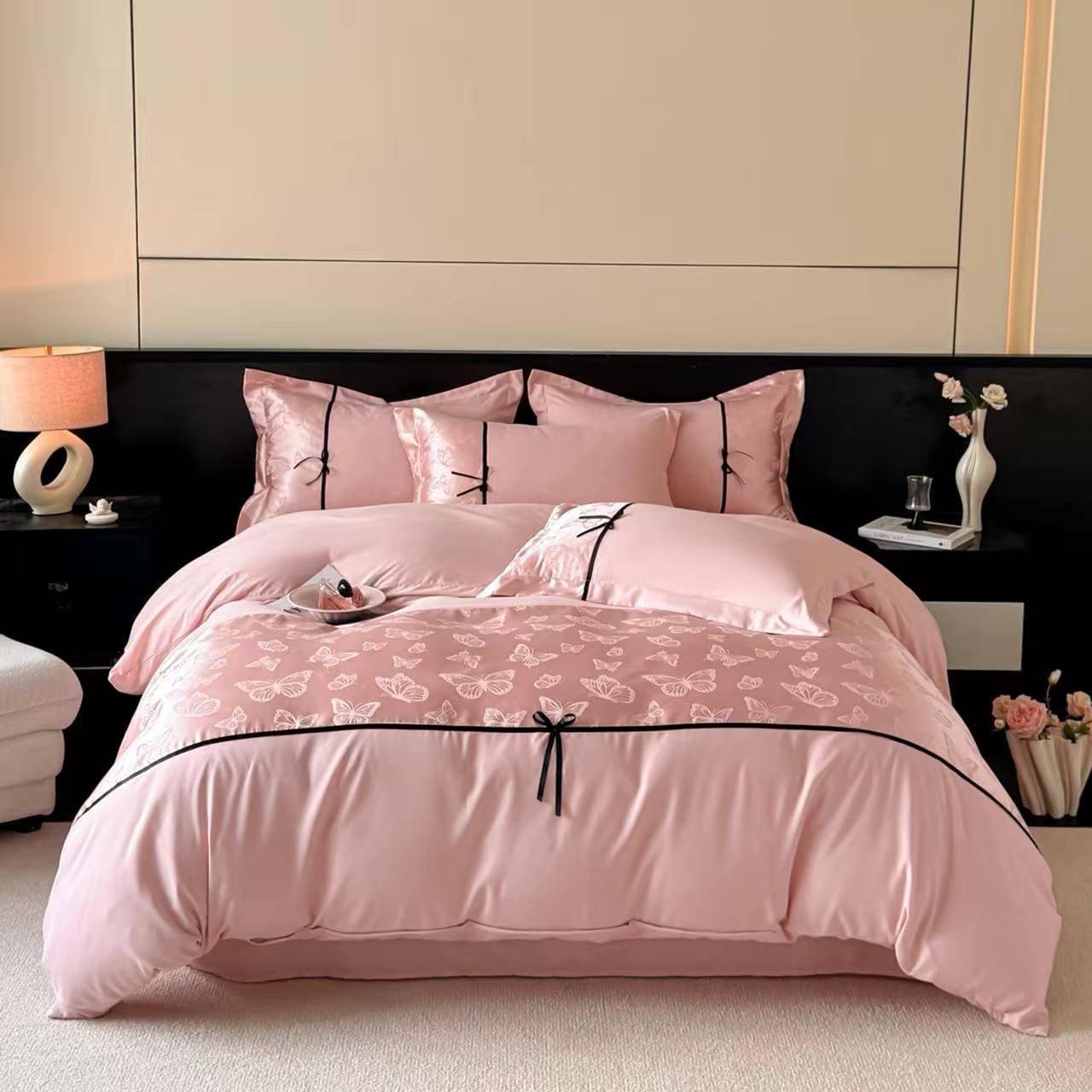
Colour approval is a process: reference, sample, test expectation and repeatable inspection method. Wholesale buyers get more consistent results when they turn that direction into a documented product brief, a complete approval sample and a repeatable inspection process.
Start With the Commercial Brief
State the destination market, sales channel, target retail position, planned delivery date and estimated quantity. These details guide material and construction choices more reliably than a reference photo alone. Define the customer problem the product should solve, then decide which elements are essential and which remain flexible.
Begin with the end use and colour risk, not only a swatch approval. Record the destination market, product type, expected washing frequency, contact with light-coloured fabrics and whether the set will be displayed near windows or under bright retail lighting. A dark printed duvet cover, a pastel sheet set and a high-contrast embroidered design can need different control points. Define the customer-facing colour claim, target launch date and approval owner so the supplier knows which reference controls production decisions.
Write a Measurable Product Specification
List every component, finished measurement, material direction, colour reference, closure, decorative detail and tolerance that matters. Use drawings or marked photos for placement details. Avoid broad descriptions such as premium or soft unless they are supported by a sample, measurable target or agreed reference.
Use a physical approved reference where possible: a lab dip, strike-off, bulk fabric cutting or signed finished sample. Record the fabric composition, dye or print method, colour standard, pattern repeat and the viewing conditions used for approval. State the parts that must match, such as a duvet-cover face, reverse, pillowcases and piping. The specification should also identify any required test method or buyer standard without promising a result before testing. This makes it clear whether a later shade variation is acceptable, requires review or is outside the agreed range.
Approve the Complete Sample
Review a finished sample in the same way the end customer will see and use it. Check handfeel, appearance, symmetry, component count, seams, labels and care information. Test packing and unpacking where presentation matters. Record decisions in writing so the factory and inspection team use the same baseline.
Review a finished sample under daylight and a consistent indoor light source, then compare it with the signed reference before and after the proposed care process. Check for colour transfer at seams, contrasts and printed areas, plus changes in pile direction or surface sheen that can make a shade appear different. If the programme includes several colours, inspect them together to confirm the collection still works as a range. Keep sample photographs, batch information and approval comments with the reference so a factory, laboratory and third-party inspector are evaluating the same target.
Plan Quality Control and Packing
Set inspection points before production starts: materials, dimensions, workmanship, colour, accessories, labels and carton marks. Confirm unit packing, barcode position, master-carton quantity and handling requirements. A packing trial can expose issues with folds, compression, damage risk or warehouse handling while changes are still practical.
Plan checks at fabric receipt, after dyeing or printing, during cutting and on finished packed sets. Inspect shade continuity across rolls, print registration, contrast trim and any risk of staining from dark components onto light ones. For bulk inspection, compare units with the approved reference and record the lighting and observation method. Packing should keep wet or heavily coloured components away from materials that could be marked during transit, and polybags, insert boards and carton labels should identify the correct colourway without ambiguity.
Prepare a Clear Quotation Request
Send the approved brief with quantity by SKU, target delivery window, destination, required documents and packaging direction. Ask suppliers to identify assumptions instead of hiding them in a single price. Compare quotations on the same specification; a lower price may reflect different fabric, components, packing or service scope.
Ask suppliers to separate costs and lead times for base fabric, dyeing or printing, laboratory testing, colour approvals and special packing. Identify the number of colourways, the required order quantity for each and any replenishment plan, since minimum dye lots can affect both price and shade consistency. State the destination, target test completion date and delivery window. A comparable quotation should show which testing or approval stages are included, allowing the buyer to avoid a low initial price that leaves colour-risk work unspecified.
Frequently Asked Questions
Which colour fastness risks should a bedding buyer consider first?
Start with the intended care routine, exposure to light, contact with contrasting fabrics and the depth of the chosen shade. These factors help the buyer decide which references, checks and laboratory requirements should be discussed before bulk production.
Can a reference photo replace a specification?
No. A photo is useful for direction, but dimensions, materials, construction, labels and packaging still need written approval.
When should packaging be approved?
Approve it with the finished product before bulk production so protection, presentation and carton fit can be checked together.
Is a lab dip enough to approve a printed bedding set?
No. A lab dip is useful for base-colour direction, but a printed finished sample is needed to evaluate registration, contrast, surface appearance and the way colours work across the full bedding set.
Develop Your Bedding Programme
NEXTHOME TEX supports wholesale and private-label bedding development. Share your market, product brief, dimensions, material direction, quantity and delivery target to begin a focused sample review. Explore bedding collections or review OEM options.