How to Specify a Duvet Insert for Hotel or Retail Supply
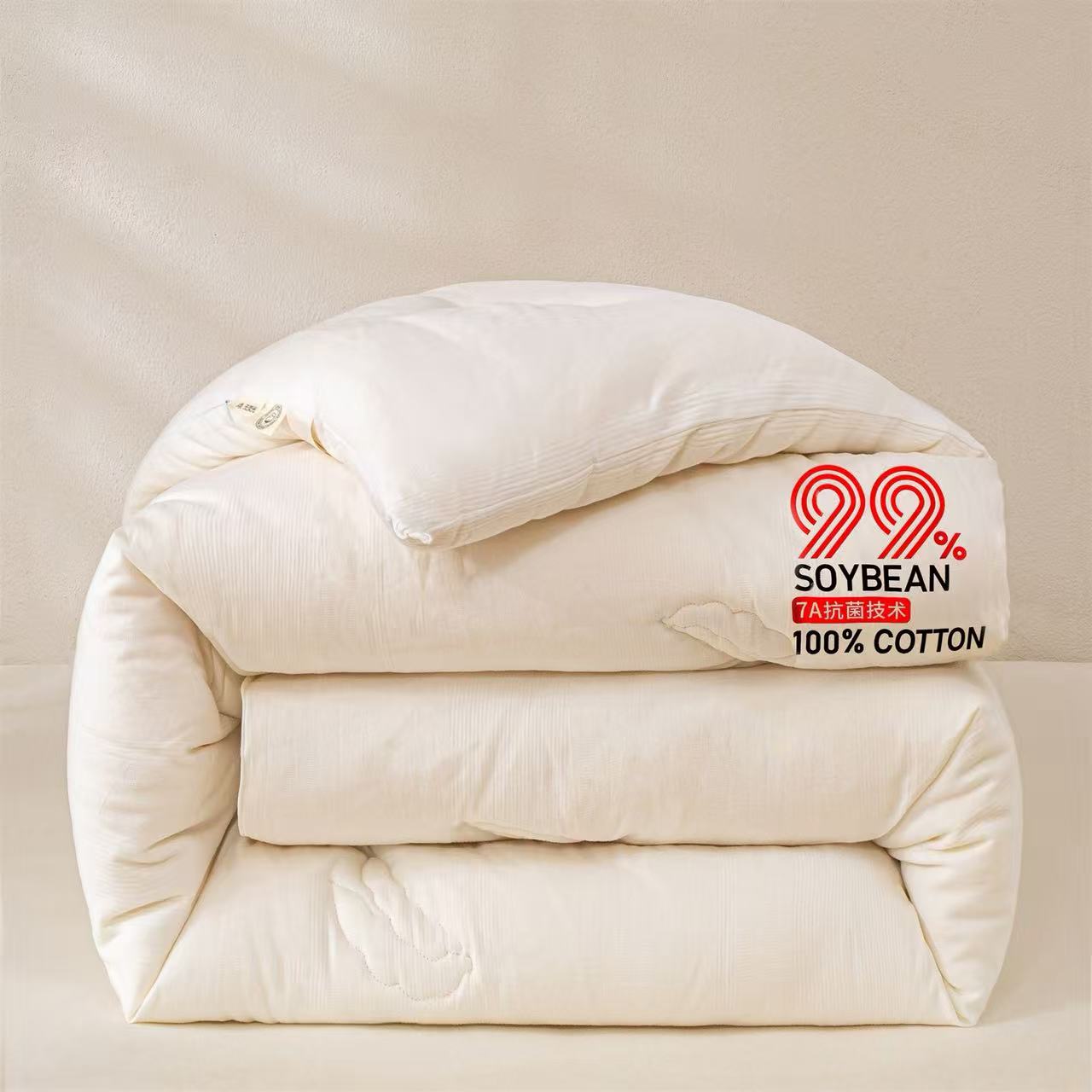
Hotel and retail duvet inserts may look similar, but their use cases call for different specifications. Wholesale buyers get more consistent results when they turn that direction into a documented product brief, a complete approval sample and a repeatable inspection process.
Start With the Commercial Brief
State the destination market, sales channel, target retail position, planned delivery date and estimated quantity. These details guide material and construction choices more reliably than a reference photo alone. Define the customer problem the product should solve, then decide which elements are essential and which remain flexible.
Start by separating the operating environment from the sales channel. A hotel may prioritise repeated washing, housekeeping handling and consistent replenishment, while a retail programme may place more weight on loft, shelf presentation and consumer-facing claims. Record the room type or bed size, expected occupancy pattern, climate, price band, launch date and order quantity. These choices decide whether one versatile all-season insert is enough or whether the range needs separate lightweight and warmer options.
Write a Measurable Product Specification
List every component, finished measurement, material direction, colour reference, closure, decorative detail and tolerance that matters. Use drawings or marked photos for placement details. Avoid broad descriptions such as premium or soft unless they are supported by a sample, measurable target or agreed reference.
Specify each size with finished dimensions and a clear tolerance, then state the shell fabric composition, weave or construction, fill type and fill weight. Polyester fibre, recycled fibre and down-alternative blends can have different recovery and wash behaviour, so do not rely on a broad description such as “premium fill.” Include quilting layout, stitch spacing, edge finish and any corner loops. For hotel use, identify whether the insert must fit a specified cover system; for retail, note the preferred drape and package dimensions.
Approve the Complete Sample
Review a finished sample in the same way the end customer will see and use it. Check handfeel, appearance, symmetry, component count, seams, labels and care information. Test packing and unpacking where presentation matters. Record decisions in writing so the factory and inspection team use the same baseline.
Review the complete sample after unpacking and recovery, not only when it leaves the factory. Measure the insert, check fill distribution through the centre and edges, and assess whether quilting prevents migration without making the product stiff. Inspect shell cleanliness, seams, labels and care instructions. For a hotel sample, include a realistic wash-and-dry evaluation where the buyer requires it; for a retail sample, assess loft and presentation in the final packaging. Keep photographs and measured results with the signed approval.
Plan Quality Control and Packing
Set inspection points before production starts: materials, dimensions, workmanship, colour, accessories, labels and carton marks. Confirm unit packing, barcode position, master-carton quantity and handling requirements. A packing trial can expose issues with folds, compression, damage risk or warehouse handling while changes are still practical.
Agree inspection points for fill weight, finished size, quilting alignment, loose fibres, seam strength and label placement before bulk production. Define which measurements are taken flat and which are taken after recovery, so the inspection team applies the same method as the buyer. Test packing early: vacuum compression may improve carton utilisation but must not prevent the insert from regaining its intended loft. Confirm unit packaging, barcode position, master-carton count, carton marks and stacking limits for the chosen transport route.
Prepare a Clear Quotation Request
Send the approved brief with quantity by SKU, target delivery window, destination, required documents and packaging direction. Ask suppliers to identify assumptions instead of hiding them in a single price. Compare quotations on the same specification; a lower price may reflect different fabric, components, packing or service scope.
Ask suppliers to state the assumptions behind each price: shell fabric, fill material and weight, quilting complexity, testing, individual packaging and delivery terms. Quote by size when the fill amount or carton efficiency changes. If alternative materials are offered, require a sample or a specific performance comparison rather than accepting a generic substitution. Include the required sample date, bulk delivery window and destination so capacity, lead time and freight conditions can be compared on a like-for-like basis.
Frequently Asked Questions
Which requirements differ most between hotel and retail duvet inserts?
Hotels often focus on wash durability, consistent replacement and compatibility with their cover system. Retail ranges commonly need consumer-friendly warmth positioning, compact packaging and a clear presentation standard. Both need a measurable, approved specification.
Can a reference photo replace a specification?
No. A photo is useful for direction, but dimensions, materials, construction, labels and packaging still need written approval.
When should packaging be approved?
Approve it with the finished product before bulk production so protection, presentation and carton fit can be checked together.
Should a buyer approve the insert before selecting export packing?
Approve the insert and the proposed pack together. The same fill and quilting that create the desired loft can also affect compression recovery, carton volume and the final retail appearance.
Develop Your Bedding Programme
NEXTHOME TEX supports wholesale and private-label bedding development. Share your market, product brief, dimensions, material direction, quantity and delivery target to begin a focused sample review. Explore bedding collections or review OEM options.