How to Source Waterproof Mattress Protectors
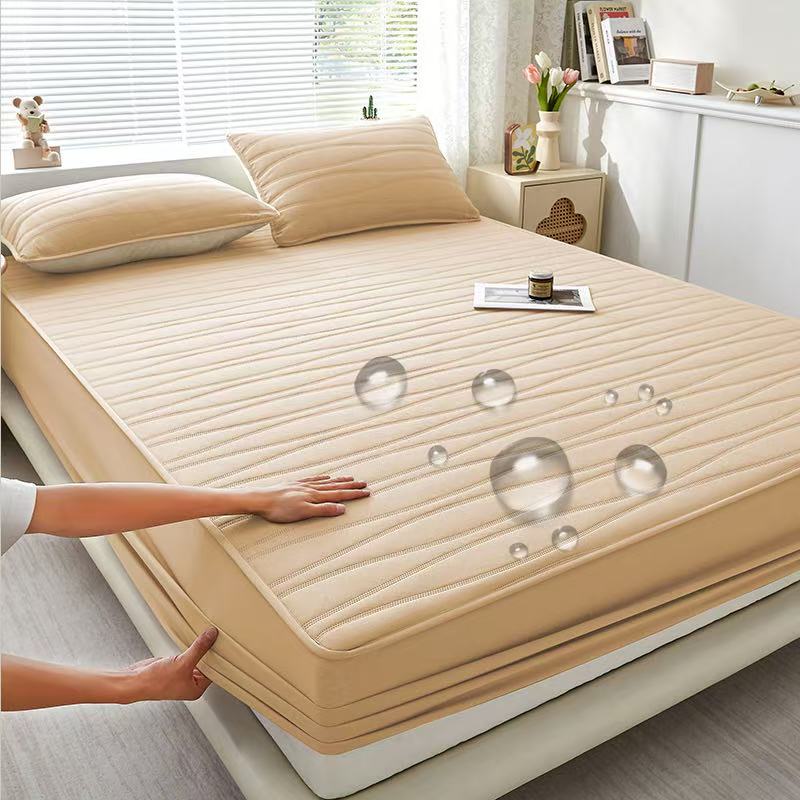
A mattress protector should be sampled on the intended mattress depth and evaluated after laundering. Wholesale buyers get more consistent results when they turn that direction into a documented product brief, a complete approval sample and a repeatable inspection process.
Start With the Commercial Brief
State the destination market, sales channel, target retail position, planned delivery date and estimated quantity. These details guide material and construction choices more reliably than a reference photo alone. Define the customer problem the product should solve, then decide which elements are essential and which remain flexible.
For a protector, the brief should also distinguish the claim the buyer wants to make from the performance evidence available. Record whether the range is positioned around liquid resistance, mattress protection, quiet sleep, easy care or a combination of these benefits. Do not treat those as interchangeable claims: they affect the construction to sample and the testing or documentation a buyer may need for the destination market.
Commercial brief checkpoints:
- Mattress sizes, depth range and fitted-skirt coverage expected by each SKU
- Sales-channel expectations for waterproof, breathable, quiet or washable positioning
- Target price level, order quantity and required delivery window
- Required labels, fibre/care wording and country-specific compliance review
- Reference product limits: what may inspire the design and what must not be copied
Write a Measurable Product Specification
List every component, finished measurement, material direction, colour reference, closure, decorative detail and tolerance that matters. Use drawings or marked photos for placement details. Avoid broad descriptions such as premium or soft unless they are supported by a sample, measurable target or agreed reference.
Specify the surface fabric, the barrier-layer direction, the fitted construction and the relevant measurement points separately. State mattress-length, width and depth tolerances rather than relying on a generic size name. If a knit, woven or quilted face is requested, attach a physical swatch or approved reference and identify which side faces the sleeper.
Specification checkpoints:
- Face-fabric and barrier-layer references, including approved swatches where available
- Finished width, length, pocket depth, elastic coverage and allowed tolerances
- Seam, corner and skirt construction notes that affect fit and removal
- Colour standard, visual appearance standard and any quilting or surface treatment reference
- Proposed care-label wording and the wash test the approval sample must undergo
Approve the Complete Sample
Review a finished sample in the same way the end customer will see and use it. Check handfeel, appearance, symmetry, component count, seams, labels and care information. Test packing and unpacking where presentation matters. Record decisions in writing so the factory and inspection team use the same baseline.
Fit the sample on mattresses representing the shallowest and deepest approved depths, then inspect it before and after the agreed wash process. Review the barrier performance only against a defined method or accepted customer standard; an unrecorded splash observation is not a durable approval rule. Photograph approved details and issue a signed sample record with the exact revision date.
Sample-approval checkpoints:
- Fit at corners and elastic recovery across the approved mattress-depth range
- Surface appearance, handfeel and noise perception assessed against the chosen reference
- Wash-result observations for size change, puckering, delamination or label legibility
- Stitching, joins and edge finishing reviewed on the finished, not just flat, product
- Approved sample, comments, photos and revision status shared with all production parties
Plan Quality Control and Packing
Set inspection points before production starts: materials, dimensions, workmanship, colour, accessories, labels and carton marks. Confirm unit packing, barcode position, master-carton quantity and handling requirements. A packing trial can expose issues with folds, compression, damage risk or warehouse handling while changes are still practical.
Convert the approval record into checkpoints for incoming materials, sewing, finished goods and pre-shipment packing. During inspection, check both the protector’s fit-related dimensions and the condition of the barrier layer; folded units can conceal defects. Make sure packers use the approved label placement and that the unit can be unfolded for customer inspection without damaging presentation.
Quality and packing checkpoints:
- Incoming-material identification matched to the approved surface and barrier references
- Random finished-goods checks for dimensions, seams, elastic continuity and visible defects
- Care, fibre, origin and barcode labels checked for placement and legibility as applicable
- Unit bag, insert, fold method and carton count approved with an actual packed sample
- Carton marks, moisture protection and pallet or handling instructions confirmed before shipment
Prepare a Clear Quotation Request
Send the approved brief with quantity by SKU, target delivery window, destination, required documents and packaging direction. Ask suppliers to identify assumptions instead of hiding them in a single price. Compare quotations on the same specification; a lower price may reflect different fabric, components, packing or service scope.
Ask each supplier to quote the same brief and to identify any alternative construction separately. A useful quotation separates sample charges, unit price, packaging, testing, labelling, carton requirements and delivery assumptions. This makes it easier to decide whether a lower offer changes the protector’s fit, material direction or service scope.
Quotation checkpoints:
- Quantity by size, colour and pack configuration rather than one blended total
- Sample timing, bulk lead-time basis and the point at which artwork must be frozen
- Included and excluded costs for packaging, labels, testing, documents and inspection support
- Any minimums for fabric, barrier material, print or custom packing called out explicitly
- Validity period, payment assumptions and destination or shipping terms stated in writing
Frequently Asked Questions
What should buyers approve before a waterproof mattress protector enters bulk production?
Confirm the market, intended use, measurable specification and delivery requirements before asking for a final quotation.
Can a reference photo replace a specification?
No. A photo is useful for direction, but dimensions, materials, construction, labels and packaging still need written approval.
When should packaging be approved?
Approve it with the finished product before bulk production so protection, presentation and carton fit can be checked together.
Develop Your Bedding Programme
NEXTHOME TEX supports wholesale and private-label bedding development. Share your market, product brief, dimensions, material direction, quantity and delivery target to begin a focused sample review. Explore bedding collections or review OEM options.