Private Label Bedding Labels and Care Instructions
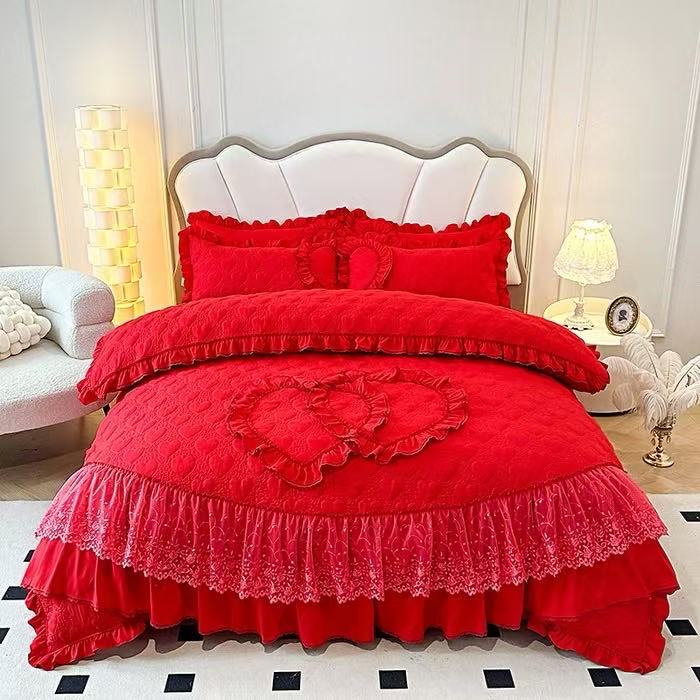
Label information should be reviewed early because it touches compliance, packaging and product presentation. Wholesale buyers get more consistent results when they turn that direction into a documented product brief, a complete approval sample and a repeatable inspection process.
Start With the Commercial Brief
State the destination market, sales channel, target retail position, planned delivery date and estimated quantity. These details guide material and construction choices more reliably than a reference photo alone. Define the customer problem the product should solve, then decide which elements are essential and which remain flexible.
Start with the destination market, sales channel and product configuration. Identify who supplies the final wording, translations, brand name, country-of-origin statement and any retailer-specific label rules. A private-label sheet set may need sewn-in care labels, a hangtag, a printed insert and an outer barcode label; each carries different information and approval owners. Set a deadline for label artwork before bulk packing, because a late wording change can affect production, carton marks and shipment timing.
Write a Measurable Product Specification
List every component, finished measurement, material direction, colour reference, closure, decorative detail and tolerance that matters. Use drawings or marked photos for placement details. Avoid broad descriptions such as premium or soft unless they are supported by a sample, measurable target or agreed reference.
Create one approved label schedule for every component. It should show fibre content, care symbols or wording, size, brand, product code, country-of-origin information and any required warning or retailer reference, using only claims the buyer has approved. Specify label material, dimensions, fold type, print colour, placement and stitch direction. For outer packs, record barcode format, SKU mapping and visible product description. This turns label work into a measurable production instruction rather than a last-minute artwork file.
Approve the Complete Sample
Review a finished sample in the same way the end customer will see and use it. Check handfeel, appearance, symmetry, component count, seams, labels and care information. Test packing and unpacking where presentation matters. Record decisions in writing so the factory and inspection team use the same baseline.
Approve labels on a complete finished sample. Confirm the text is readable, translations match the approved artwork, the label sits comfortably against the fabric and the sewn position does not distort a seam or decorative detail. Scan the barcode from the final pack and compare the result with the purchase-order SKU list. Check care information against the agreed fabric construction and sample-care process. Retain signed artwork, photographs and the barcode scan record so the factory and inspection team share one reference.
Plan Quality Control and Packing
Set inspection points before production starts: materials, dimensions, workmanship, colour, accessories, labels and carton marks. Confirm unit packing, barcode position, master-carton quantity and handling requirements. A packing trial can expose issues with folds, compression, damage risk or warehouse handling while changes are still practical.
Include labels in in-line and final inspection, not only in pre-production approval. Check fibre wording, size, brand spelling, placement, stitching, barcode readability and that each colourway carries the correct SKU. Inspect a packed master carton for matching carton marks and unit count. If labels are supplied by a third party, reconcile quantities and version numbers before packing begins. This prevents a correct bedding product from being held up by a wrong or missing label at dispatch.
Prepare a Clear Quotation Request
Send the approved brief with quantity by SKU, target delivery window, destination, required documents and packaging direction. Ask suppliers to identify assumptions instead of hiding them in a single price. Compare quotations on the same specification; a lower price may reflect different fabric, components, packing or service scope.
Request costs and lead times for woven labels, printed labels, hangtags, care inserts, barcode stickers and any retailer-specific packaging. State quantities by SKU, colour and size, plus whether the supplier or buyer provides approved artwork. Ask suppliers to identify print setup, minimums, proof approval and replacement costs separately. Include the target ship date and destination so label production, packing and export documents are planned as one sequence instead of being treated as unrelated tasks.
Frequently Asked Questions
What should be approved before private-label labels go into bulk production?
Approve the wording, artwork, translations, label material, placement, barcode mapping and the label on a finished sample. The approved pack should be scanned and matched to the purchase-order SKU list.
Can a reference photo replace a specification?
No. A photo is useful for direction, but dimensions, materials, construction, labels and packaging still need written approval.
When should packaging be approved?
Approve it with the finished product before bulk production so protection, presentation and carton fit can be checked together.
Can one care label work for every bedding component?
Only if the fibre content, construction and care direction are genuinely the same. Review each component and configuration so the final information matches the item the customer receives.
Develop Your Bedding Programme
NEXTHOME TEX supports wholesale and private-label bedding development. Share your market, product brief, dimensions, material direction, quantity and delivery target to begin a focused sample review. Explore bedding collections or review OEM options.