Pillow Types for Wholesale: Fill, Loft and Cover Fabric
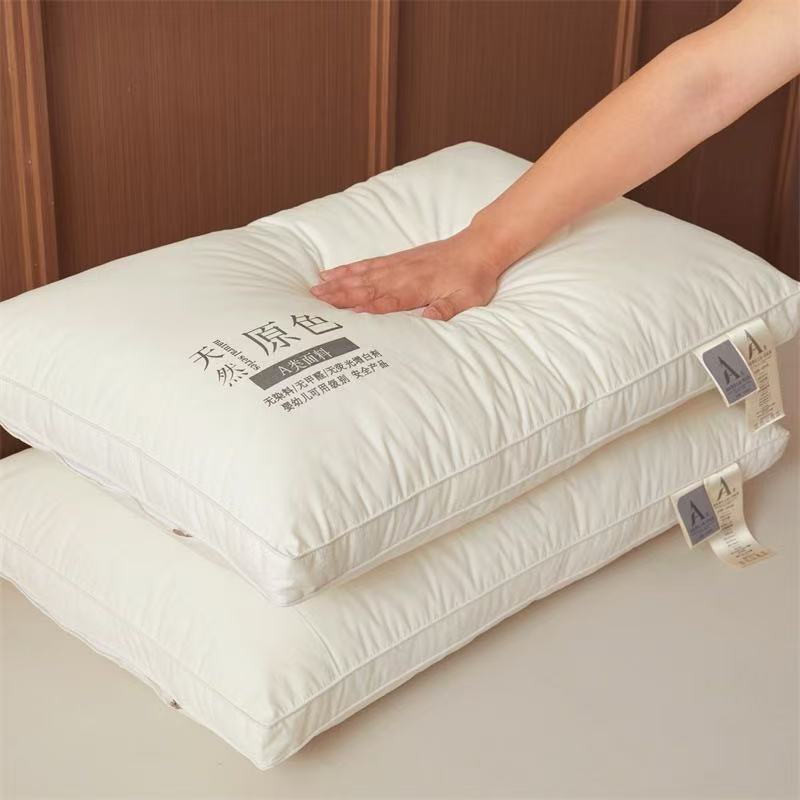
Pillow comfort is subjective, so a wholesale range needs more than a label such as soft or firm. Buyers should define the target sleeper, intended feel, fill construction, cover fabric and after-packing shape. A dated approval sample and measurable product file give the supplier and inspection team a common reference without promising that one pillow will suit every customer.
Start With the Commercial Brief
Start with the destination market, channel, price position and expected users. A hospitality replenishment programme, an online home range and a private-label retail assortment may need different handling, presentation and consistency. Decide whether the range should offer one general-purpose feel or clearly separated loft and firmness options. Describe these options as comparative product attributes rather than medical or sleep-outcome claims.
Commercial decisions to record:
- Sales channel, intended sleeper preference and price tier for each SKU
- Standard size, shape and number of pillows per selling unit
- Desired initial loft and relative softness or resilience based on agreed samples
- Retail claims, labels and market requirements requiring buyer review
- Target quantities, delivery dates and expected replenishment pattern
If several variants look similar in packaging, assign distinct SKU names and visual identifiers before sample approval. This reduces picking errors when a buyer orders different fills or loft levels together.
Write a Measurable Product Specification
Record the fill type and blend direction, nominal fill weight, shell fabric reference, finished dimensions and construction details for each variant. A fill name by itself does not define the handfeel: fibre preparation, distribution, chamber design and cover fabric can change the result. Use a physical reference pillow and state which characteristics must match it after the agreed recovery period.
Specification fields for the technical file:
- Fill material reference, stated blend if applicable, and target fill weight with tolerance
- Finished length, width, edge height or loft measurement method and tolerances
- Shell fabric reference, colour, weave or surface treatment where relevant
- Seam, piping, gusset, chamber and closure construction shown in marked photos
- Care-label wording, fibre disclosures and approved pack components
Define when loft is measured: immediately after unpacking, after a set recovery interval or after use in an agreed test. Without a shared method, two teams can report different values for the same pillow. Keep any performance or hygiene claim separate until the buyer has reviewed supporting evidence and market rules.
Approve the Complete Sample
Compare complete samples from each fill and loft option side by side. Check the profile, evenness of filling, cover handfeel and whether the pillow returns to the approved appearance after packing. Review construction from seam to seam and inspect the actual label and care information. Where washing is part of the intended care, agree on the test method and record the result rather than assuming all fills behave alike.
Sample-approval record:
- Dated physical reference for every proposed fill and loft variant
- Finished measurements, fill weight and agreed loft or recovery observations
- Photographs of cover fabric, seams, gussets, piping and labels
- Trial pack opened after the agreed storage or compression interval
- Written decision log for sample changes before bulk production
The approval sample should match what the end customer receives, including the insert, bag or carton if those affect shape. A loose, unpacked showroom pillow is not a complete reference for a compressed retail item.
Plan Quality Control and Packing
Set checks at incoming material, filling, sewing, finished goods and packing. Inspect fill distribution and obvious lumps alongside dimensions and seam quality. If the product is compressed for shipping, evaluate how a sampled unit recovers after the agreed period and compare it with the signed sample. Verify the correct variant label and barcode on each selected retail pack.
Quality and packing checkpoints:
- Shell fabric and fill identified against approved references before production
- Fill weight, distribution, dimensions and workmanship sampled by SKU
- Seams, edges and cover appearance checked after the pillow is filled
- Unit bag, insert, compression level and recovery trial approved in advance
- Barcode, care label, carton quantity and carton marks matched to the variant
Avoid packing decisions based only on carton efficiency. Excess compression or a poorly sized bag can alter the presentation customers see when they first open the pillow.
Prepare a Clear Quotation Request
Request separate prices for each size, fill, weight and pack configuration. Ask suppliers to show assumptions about cover fabric, fill source, nominal weight, testing, labels and compression. A lower unit price may reflect less fill or a different shell rather than a more efficient process. Confirm sample timing and the point when the buyer must freeze the approved specification.
Quotation details to align:
- Quantity by SKU with size, fill, loft and packaging variant identified
- Material minimums and any charge for custom fabric or labels
- Sample, testing, pack development and inspection costs where applicable
- Bulk lead-time basis, delivery terms and required documents
- Quote validity and how substitutions will be proposed for approval
Frequently Asked Questions
What should a buyer approve before ordering pillows in bulk?
Approve a reference sample for each variant, its fill and cover specification, the measurement method, packaging and delivery requirements.
Can a reference photo replace a specification?
No. A photo is useful for direction, but dimensions, materials, construction, labels and packaging still need written approval.
When should packaging be approved?
Approve it with the finished product before bulk production so protection, presentation and carton fit can be checked together.
Develop Your Bedding Programme
NEXTHOME TEX supports wholesale and private-label bedding development. Share your market, pillow size, target fill and loft options, quantities and delivery target to begin a focused sample review. Explore bedding collections or review OEM options.