Material selection
Duvet Cover Fabric Guide for Wholesale Buyers
Choose a duvet-cover fabric by the customer promise and measurable product specification. Fibre name alone cannot define handfeel, durability, care, appearance or production consistency.
Direct answer
Wholesale buyers should compare duvet-cover fabrics using fibre composition, yarn and construction, fabric weight, finish, colour method, expected care, shrinkage and colourfastness requirements. Select the direction that fits the target market, then approve the exact specification and physical sample before bulk production.
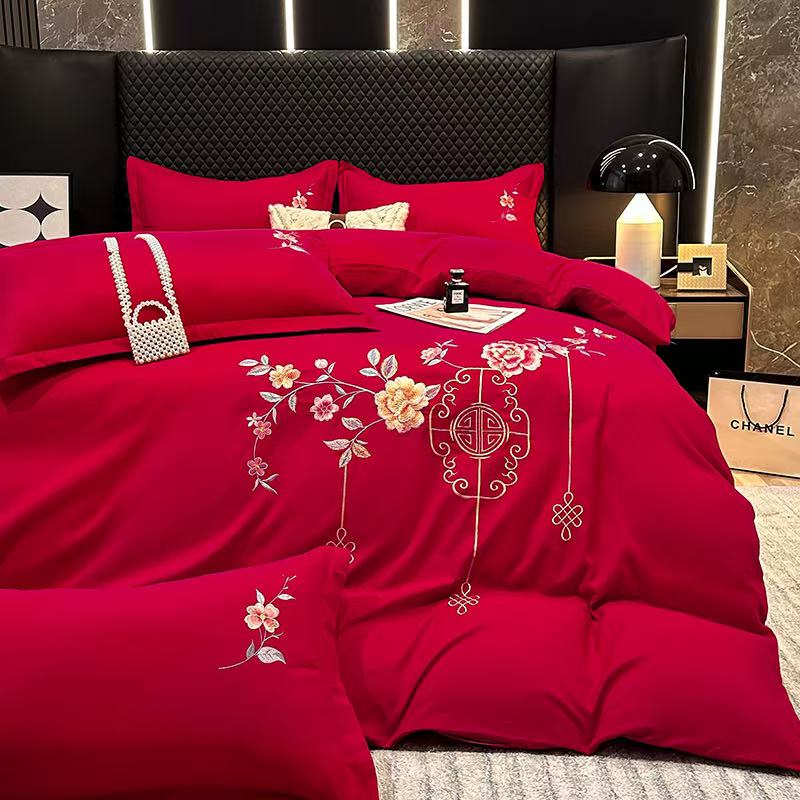
How do common fabric directions differ?
| Fabric direction | Buyer considerations | Specification points |
|---|---|---|
| Cotton | Natural-fibre positioning, handfeel, breathability and wash expectations | Fibre content, yarn, weave, weight, finish, shrinkage and colourfastness |
| Polyester or microfiber | Price position, easy-care expectations, drape, surface feel and static or pilling requirements | Fibre and filament description, construction, weight, finish, pilling and colour performance |
| Cotton-polyester blend | Balance between natural-fibre content, care, stability and target cost | Exact blend ratio, construction, weight, finish and wash performance |
| Viscose-family blend | Softness, drape, moisture response, care instructions and claim accuracy | Exact fibre naming and percentage, construction, shrinkage, strength and colourfastness |
| Linen or linen blend | Texture, natural variation, crease appearance, care and premium positioning | Exact composition, yarn and weave, finish, dimensional change and appearance standard |
These are sourcing directions, not interchangeable grades. Two fabrics with the same fibre label can differ because of yarn, density, weight, weave, brushing, washing, coating or another finish. Use the bedding fabric guide to organize the first comparison.
Turn the fabric name into a measurable specification
A phrase such as “soft cotton duvet cover” is a design direction. The purchase specification should state what the factory must reproduce and what the buyer will approve.
- Fibre composition and permitted tolerance
- Yarn description and woven or knitted construction
- Fabric weight or another agreed construction measure
- Solid dye, yarn dye, pigment print, reactive print or another colour method
- Mechanical or chemical finish and the required handfeel reference
- Finished dimensions and dimensional-change allowance after care
- Colourfastness, pilling, seam and appearance requirements where relevant
- Fibre-content and care-label wording for the destination market
Thread count alone does not define fabric quality or suitability. It must be read with fibre, yarn, construction, weight, finish and verified performance. The GSM and thread-count guide explains how to document those values without treating one metric as a complete grade.
Match the fabric to the product brief
Start with the customer and channel: climate, expected wash frequency, preferred surface feel, target retail position, returns risk and care expectations. A hotel programme, marketplace product, department-store private label and promotional set may prioritize different properties even when all use the same product name.
Document which requirements are fixed and where the supplier may propose alternatives. If a substitute fabric is offered, compare it against the same composition, construction, weight, finish, colour and performance fields. Follow the material substitution approval guide before accepting a change.
Approve colour, print and finishing separately
Base fabric approval does not automatically approve the final colour or printed appearance. Review the correct colour reference or artwork, print scale and placement, face and reverse appearance, finish, handfeel and shade consistency under agreed review conditions. Keep the approved sample and its document version together.
For repeat orders, identify the previous approved reference and define how shade differences will be reviewed. The colourfastness and shade-control guide provides the related checkpoints.
Plan fabric testing and wash review
The test plan should reflect the actual material, claims, care instructions and destination requirements. Buyers may need to review fibre composition, construction or weight, dimensional change, colourfastness, pilling, seam performance and appearance after care. The responsible buyer should confirm applicable standards and legal requirements for the destination market.
- Record the pre-wash dimensions and appearance of the approved sample.
- Use the proposed care method and document the test conditions.
- Measure dimensional change and check twisting, puckering, colour and surface appearance.
- Confirm that the product, care label and packaging claims match the approved result.
- Retain the report and approved reference for bulk inspection and repeat orders.
Use the wash and shrinkage guide and fabric testing guide to prepare the review.
What should accompany a fabric quotation?
Send the destination market, target customer, duvet-cover size table, component list, fabric direction, colour or artwork, quantity by SKU, closure, labels, packaging, test requirements and target timing. Ask the supplier to identify every assumption and proposed alternative. Compare prices only when the quoted specifications match.
Duvet-cover fabric FAQ
Which fabric is best for a wholesale duvet cover?
There is no universal best fabric. Choose against the target customer, climate, price position, care expectations and required performance, then approve a measurable fabric specification and physical sample.
Is thread count enough to specify duvet-cover fabric?
No. Fibre composition, yarn, weave or knit construction, fabric weight, finish, colour method, shrinkage, colourfastness, dimensional tolerance and approved handfeel also affect the finished product.
What should buyers test before approving duvet-cover fabric?
Testing should reflect the material, claims and destination market. Buyers commonly review composition, fabric weight or construction, dimensional change after washing, colourfastness, appearance, seam performance and care-label accuracy.
Prepare a duvet-cover specification
Share the market, size, fabric direction, colour, quantity, testing and packaging requirements for review.
Prepare an inquiry