Comforter Fill Guide: Fibre, Weight and Warmth
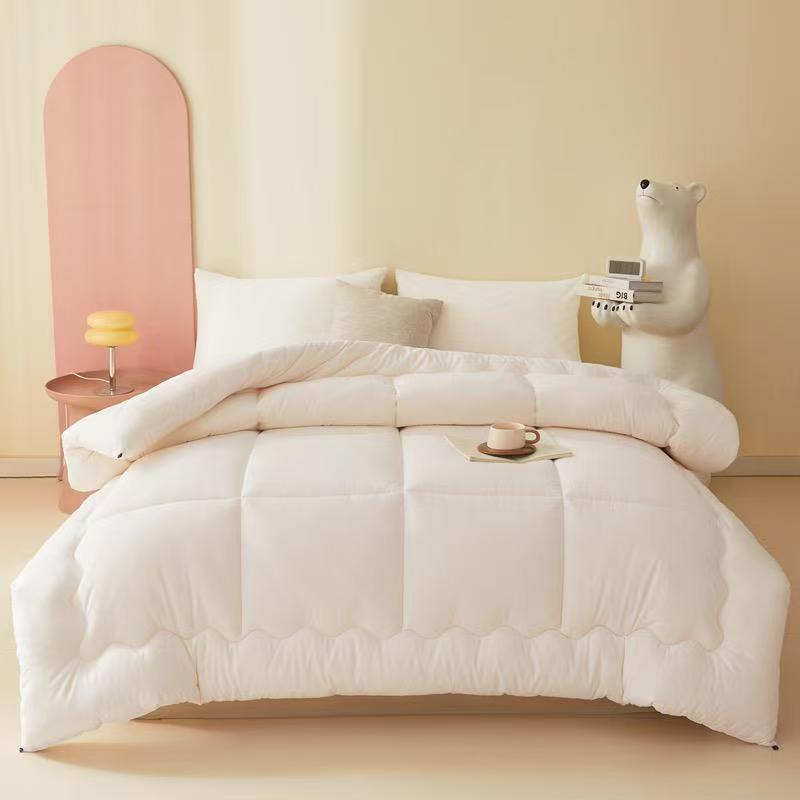
Comforter warmth and loft depend on the complete construction rather than a single fill description. Wholesale buyers get more consistent results when they turn that direction into a documented product brief, a complete approval sample and a repeatable inspection process.
Start With the Commercial Brief
State the destination market, sales channel, target retail position, planned delivery date and estimated quantity. These details guide material and construction choices more reliably than a reference photo alone. Define the customer problem the product should solve, then decide which elements are essential and which remain flexible.
For a comforter, turn “warm” or “light” into an intended sleep environment and retail promise. Record whether the range is for summer air-conditioned rooms, a temperate all-season offer or a colder winter market. Define the expected price tier and the planned sizes before selecting a fill, because a heavier king size can alter carton volume and freight cost quickly. A retailer may also need coordinated pillow inserts or matching protectors, so note which items belong to the same programme and which are optional add-ons.
Write a Measurable Product Specification
List every component, finished measurement, material direction, colour reference, closure, decorative detail and tolerance that matters. Use drawings or marked photos for placement details. Avoid broad descriptions such as premium or soft unless they are supported by a sample, measurable target or agreed reference.
Specify the fibre type and blend, the nominal fill weight by size, the shell fabric composition and thread or fabric construction, and any brushing or peach-skin finish. Down-alternative, hollow fibre and recycled polyester can produce different loft and recovery characteristics even at a similar weight, so the approved sample must be the reference rather than a generic material name. Include the finished dimensions, quilting pattern, stitch spacing and tolerance. If the comforter uses corner loops, piping or double stitching, show their position in a drawing or marked photograph.
Approve the Complete Sample
Review a finished sample in the same way the end customer will see and use it. Check handfeel, appearance, symmetry, component count, seams, labels and care information. Test packing and unpacking where presentation matters. Record decisions in writing so the factory and inspection team use the same baseline.
Review the sample after it has been unpacked and allowed to recover, then compare loft, handfeel and evenness of fill across the body and edges. Check whether quilting prevents migration without creating cold spots or excessive stiffness. Evaluate the shell for down-proof performance where relevant, visual cleanliness, seam strength and label readability. Photograph approved details and capture the actual measured weight and dimensions. This signed record gives the factory, buyer and inspection partner one source of truth when bulk production begins.
Plan Quality Control and Packing
Set inspection points before production starts: materials, dimensions, workmanship, colour, accessories, labels and carton marks. Confirm unit packing, barcode position, master-carton quantity and handling requirements. A packing trial can expose issues with folds, compression, damage risk or warehouse handling while changes are still practical.
Set inspection points around the risks that are specific to filled products: fill weight, distribution, quilting alignment, loose fibres, needle damage, label attachment and finished size. Agree the sampling level, measurement method and tolerance before production. Test the retail pack as well: vacuum compression may save shipping space but can change how quickly the comforter regains loft, while a fabric bag or printed carton must protect the product and carry required care or fibre information. Confirm master-carton count and stacking limits for the delivery channel.
Prepare a Clear Quotation Request
Send the approved brief with quantity by SKU, target delivery window, destination, required documents and packaging direction. Ask suppliers to identify assumptions instead of hiding them in a single price. Compare quotations on the same specification; a lower price may reflect different fabric, components, packing or service scope.
Ask suppliers to explain which assumptions drive the quotation: fill material and weight, shell fabric, quilting complexity, labels, individual packaging, testing and delivery terms. Quote each size separately if the fill weight or carton efficiency differs. Request material alternatives only when their effect on warmth, recovery and cost is clear, rather than comparing vague “premium” options. Include the target delivery window and ask about sample, fabric and bulk lead times so a lower unit price does not conceal an impractical production schedule.
Frequently Asked Questions
How should a buyer choose between fibre types for a comforter?
Choose from the intended warmth, loft, care requirements, price band and the claims the retailer can support. Compare samples side by side after recovery, using the agreed shell fabric and quilting construction, before approving a bulk material.
Can a reference photo replace a specification?
No. A photo is useful for direction, but dimensions, materials, construction, labels and packaging still need written approval.
When should packaging be approved?
Approve it with the finished product before bulk production so protection, presentation and carton fit can be checked together.
Does a higher fill weight always mean a better comforter?
No. Fill weight affects warmth, but fibre structure, shell fabric, quilting and intended climate also influence loft, drape and thermal comfort. The right weight is the one that matches the approved product brief and sample.
Develop Your Bedding Programme
NEXTHOME TEX supports wholesale and private-label bedding development for buyers serving Africa and Southeast Asia. Review the comforter insert category and regional sourcing routes, then share your market, product brief, dimensions, material direction, quantity and delivery target through the OEM inquiry form to begin a focused sample review.