Blanket Materials Compared: Fleece, Flannel and Plush
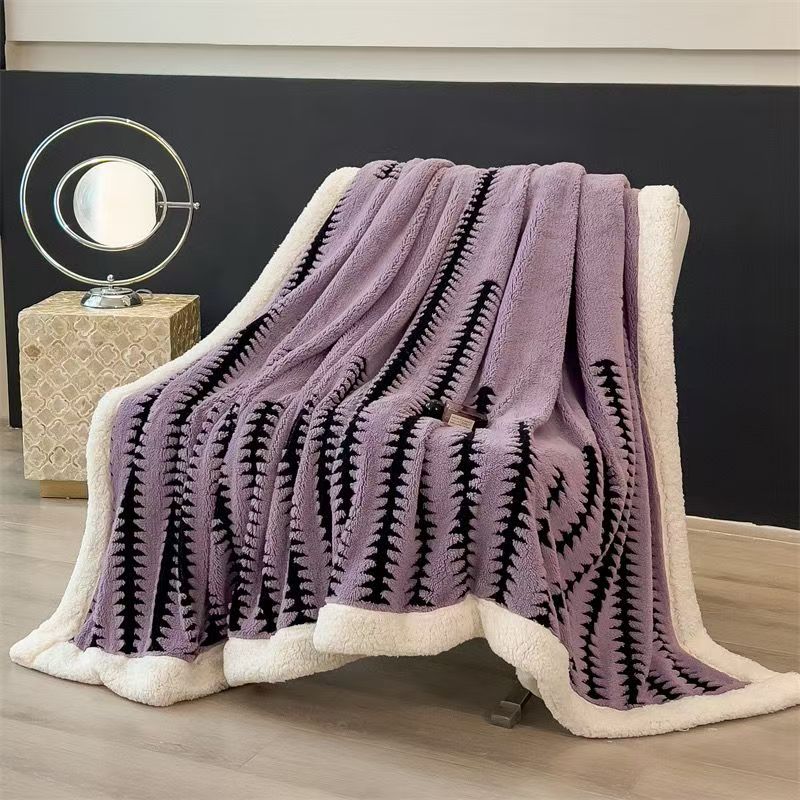
Material names can describe different constructions, so buyers need measurable approval points. Wholesale buyers get more consistent results when they turn that direction into a documented product brief, a complete approval sample and a repeatable inspection process.
Start With the Commercial Brief
State the destination market, sales channel, target retail position, planned delivery date and estimated quantity. These details guide material and construction choices more reliably than a reference photo alone. Define the customer problem the product should solve, then decide which elements are essential and which remain flexible.
For a fleece programme, include the target pile density, anti-pilling expectation and whether the buyer needs a brushed face on one or both sides. For flannel, specify the fibre blend, napping direction and wash-shrinkage allowance. For plush, agree the pile height and the visual standard for crushed marks after the blanket is folded. These choices affect both the consumer experience and the realistic factory route.
Write a Measurable Product Specification
List every component, finished measurement, material direction, colour reference, closure, decorative detail and tolerance that matters. Use drawings or marked photos for placement details. Avoid broad descriptions such as premium or soft unless they are supported by a sample, measurable target or agreed reference.
Set a testable fabric weight rather than calling a blanket simply lightweight or heavy. Record the finished cut size, allowable tolerance, binding width, stitch density and corner shape. If a printed or embossed surface is requested, attach an approved strike-off and define how close bulk colour must be under the retailer's usual lighting. The purchase order should also state whether the final weight is measured before or after packing.
Approve the Complete Sample
Review a finished sample in the same way the end customer will see and use it. Check handfeel, appearance, symmetry, component count, seams, labels and care information. Test packing and unpacking where presentation matters. Record decisions in writing so the factory and inspection team use the same baseline.
Ask for a full-size sample in the final material, not only a hand swatch. Compare fleece for shedding and recovery after rubbing, flannel for even brushing and plush for pile direction under different light. Wash and dry the sample according to the proposed care label, then inspect edge curling, seam slippage, colour change and retained softness. Keep a signed sample or a dated photo pack as the production reference.
Plan Quality Control and Packing
Set inspection points before production starts: materials, dimensions, workmanship, colour, accessories, labels and carton marks. Confirm unit packing, barcode position, master-carton quantity and handling requirements. A packing trial can expose issues with folds, compression, damage risk or warehouse handling while changes are still practical.
During inline inspection, check roll-to-roll variation before cutting and check that the pile faces the agreed direction on every unit. At final inspection, unfold a defined sample quantity to find skipped stitches, exposed backing, uneven binding and foreign fibres. For vacuum-packed plush, run a recovery test after opening; for folded flannel, confirm that board inserts and polybags do not leave permanent crease lines.
Prepare a Clear Quotation Request
Send the approved brief with quantity by SKU, target delivery window, destination, required documents and packaging direction. Ask suppliers to identify assumptions instead of hiding them in a single price. Compare quotations on the same specification; a lower price may reflect different fabric, components, packing or service scope.
Request separate pricing for each material option, size and packing format so the comparison remains meaningful. Confirm whether fabric loss, colour matching, test reports, hangtags, export cartons and destination-specific labels are included. A useful quotation also identifies the minimum order by colour, sample lead time, bulk lead time and the point at which a revised artwork or pile specification changes the cost.
Frequently Asked Questions
Which material details most affect a blanket quotation?
Fabric composition, weight, pile treatment, finished size, edge construction and packing format all affect consumption and production steps. Providing those details lets suppliers quote comparable options instead of estimating from a generic product name.
Can a reference photo replace a specification?
No. A photo is useful for direction, but dimensions, materials, construction, labels and packaging still need written approval.
When should packaging be approved?
Approve it with the finished product before bulk production so protection, presentation and carton fit can be checked together.
Develop Your Bedding Programme
NEXTHOME TEX supports wholesale and private-label bedding development. Share your market, product brief, dimensions, material direction, quantity and delivery target to begin a focused sample review. Explore wholesale blankets or review OEM options.