Bedding Sample Approval Checklist Before Bulk Production
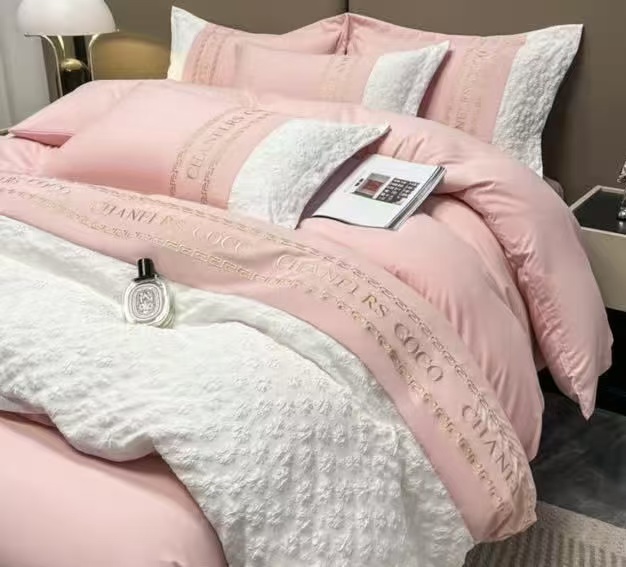
A signed sample approval record turns a bedding concept into a reference that production and inspection teams can use. The physical sample alone is not enough: dimensions, materials, colour, workmanship, labels and packing must be documented together. The buyer should also identify which sample version is approved and which observations still require correction before bulk work starts.
Start With the Commercial Brief
Start by attaching the intended order to a specific product brief. Record the destination market, selling channel, component count, size range, colourways, quantity and target delivery window. Assign an owner for product approval and another for packaging artwork if those decisions are made by different teams. A sample should be judged against the agreed brief, not against an attractive reference photo that lacks measurements.
Brief and ownership checks:
- SKU and revision code on the sample and technical file
- Intended customer, bed size and contents of each selling unit
- Approved material direction, colour standard and design references
- Required labels, care wording and market review responsibilities
- Target date for approval so production planning uses the correct version
If a decision is conditional, state the condition in the record. For example, a fabric change awaiting wash-test review is not the same as an unconditional approval to buy bulk material.
Write a Measurable Product Specification
Measure the finished sample at the points defined in the size chart. For a bedding set, check each component independently and confirm that the physical count matches the pack description. Record tolerances, fabric and trim references, seam or closure details and the location of decorative features. Mark photos where placement matters; terms such as centred or neat can be interpreted differently without a reference.
Technical checks on the sample:
- Finished dimensions for every component and the method used to measure them
- Fabric identity, colour or print reference and direction of any pattern
- Seam, hem, fastening, elastic, piping or quilting details as applicable
- Component count, matching pieces and correct size or colour label
- Recorded deviations and whether each is accepted or requires a new sample
Keep the size chart and annotated photographs with the approval form. A supplier should not have to infer the approved construction from a showroom sample that may be damaged or unavailable during production.
Approve the Complete Sample
Lay out, fit or dress the product in the setting for which it is intended. Inspect the visible surfaces, handfeel, colour consistency and workmanship from a normal customer viewing distance, then check close details. Use the agreed care or performance tests where they matter to the specification; do not assume that a single visual inspection proves washability, shrinkage or colour fastness.
Approval evidence to retain:
- Dated photographs of the complete product and close construction details
- Measurement sheet and a record of the person who checked each item
- Test results or a clearly stated plan for unresolved tests
- One physical reference sample identified by SKU and revision
- Written decision: approved, approved with listed conditions, or rejected
If a sample fails, record the exact correction and request a revised version. Do not alter the reference silently. The revised sample needs its own date and approval so later teams can tell which version governs the order.
Plan Quality Control and Packing
Approve the sample as a sellable unit, including its label and packing. Fold and pack the product using the proposed method, then reopen it to look for creases, trapped accessories, print transfer or damage. Check barcode and carton marks against the SKU list. Translate the signed sample record into inspection points for incoming material, in-process sewing, finished goods and pre-shipment review.
Packing and bulk control checks:
- Correct care, fibre and product labels placed on the approved components
- Unit bag, insert, fold method and presentation tested with a finished sample
- Carton quantity, size, colour and barcode matched to the order file
- Incoming fabric and trim compared with the retained references
- Finished goods sampled against measurements and workmanship photos
Give inspectors a copy of the approval record and a way to escalate differences. A passing inspection should mean the bulk goods match the same version that the buyer accepted.
Prepare a Clear Quotation Request
Before confirming a bulk price, send the approved specification, sample revision, quantities by SKU and packing details to each supplier. Ask them to list any difference between the quotation and the signed sample. Confirm the lead time from the point of final approval, not from an earlier draft or artwork request. Changes after that point should be priced and scheduled explicitly.
Quotation and release checks:
- Quantities by size and colour using the approved SKU names
- Material, workmanship, label and pack scope included in the price
- Tests, inspection support and required documents identified
- Sample sign-off date and bulk lead-time assumptions recorded
- Procedure for approving substitutions and their cost or timing impact
Frequently Asked Questions
What evidence is needed before releasing a bedding sample for bulk production?
Keep the signed sample decision with measurements, material references, photos, labels, packing approval and any required test results.
Can a reference photo replace a specification?
No. A photo is useful for direction, but dimensions, materials, construction, labels and packaging still need written approval.
When should packaging be approved?
Approve it with the finished product before bulk production so protection, presentation and carton fit can be checked together.
Develop Your Bedding Programme
NEXTHOME TEX supports wholesale and private-label bedding development. Share your market, product brief, sample revision, dimensions, quantity and delivery target to begin a focused approval review. Explore bedding collections or review OEM options.