Bed Skirt Sourcing Guide: Drop Length, Pleats and Fit
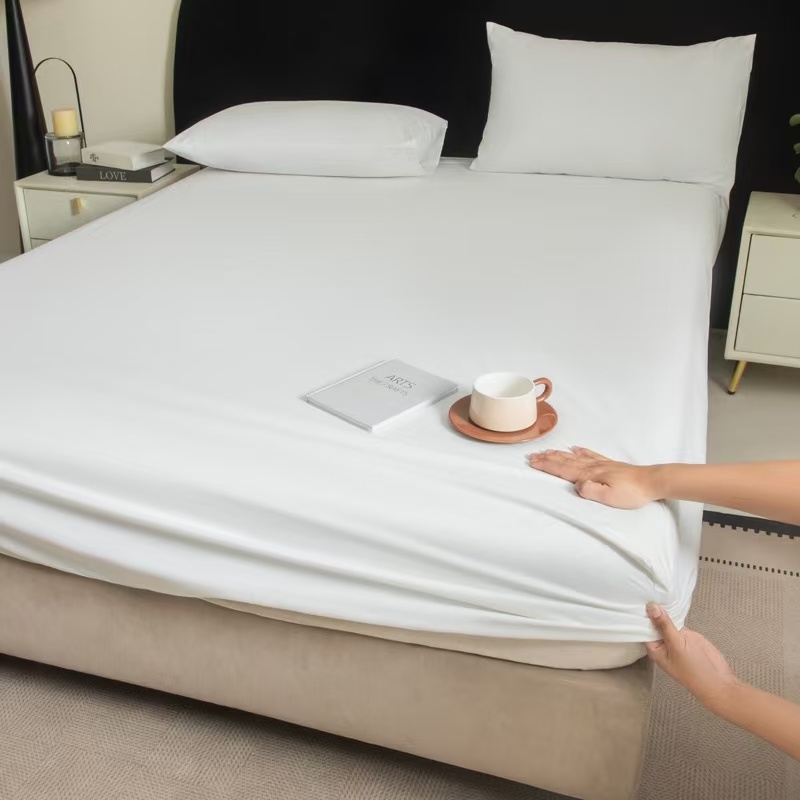
Bed skirt appearance depends on finished dimensions and how the product sits on an actual bed. Wholesale buyers get more consistent results when they turn that direction into a documented product brief, a complete approval sample and a repeatable inspection process.
Start With the Commercial Brief
State the destination market, sales channel, target retail position, planned delivery date and estimated quantity. These details guide material and construction choices more reliably than a reference photo alone. Define the customer problem the product should solve, then decide which elements are essential and which remain flexible.
For bed skirts, the selling position should be linked to the bed base and styling context. A hotel, retail package and online room-set image can imply different expectations for coverage and drape. Record the intended mattress and base arrangement, whether the skirt hides storage or a divan, and whether the buyer expects a tailored, ruffled or pleated appearance.
Commercial brief checkpoints:
- Bed sizes, mattress/base arrangement and selling channel for every SKU
- Target look: tailored panel, gathered ruffle, box pleat or another approved construction
- Target price level, expected order quantities and required delivery window
- Requirements for matching bedding, colourway consistency or retail room-set photography
- Labels, care information, packaging and market-specific compliance review
Write a Measurable Product Specification
List every component, finished measurement, material direction, colour reference, closure, decorative detail and tolerance that matters. Use drawings or marked photos for placement details. Avoid broad descriptions such as premium or soft unless they are supported by a sample, measurable target or agreed reference.
Specify platform width and length separately from the visible drop. State the finished drop measurement method, including whether it is measured from the platform seam to the hem and whether it is taken before or after laundering. Mark corner openings, split corners, panel joins and pleat positions on a drawing, because a photo alone does not establish proportion or placement.
Specification checkpoints:
- Platform dimensions, drop length and tolerances for each size
- Fabric reference, weave or weight direction, colour standard and lining requirement if any
- Pleat style, depth, spacing and alignment relative to bed corners or centre panels
- Split-corner, wrap-around or elastic attachment details required for the base type
- Hem finish, seam allowance, label position and care instructions for approval
Approve the Complete Sample
Review a finished sample in the same way the end customer will see and use it. Check handfeel, appearance, symmetry, component count, seams, labels and care information. Test packing and unpacking where presentation matters. Record decisions in writing so the factory and inspection team use the same baseline.
Place the complete sample on a representative bed base before approval. Check whether the platform lies flat, the visible panels meet the floor at a consistent height and the pleats remain balanced when viewed from the front and both sides. Launder the agreed sample where care performance is relevant, then compare length, shape and fabric appearance with the signed reference.
Sample-approval checkpoints:
- Platform fit and corner treatment on the approved base and mattress setup
- Drop length checked at multiple positions after the skirt is dressed on the bed
- Pleat count, spacing, fullness and panel alignment reviewed from normal viewing distance
- Fabric appearance, shade, shrinkage and hem shape checked after the agreed wash process
- Signed sample, measurement record, photos and revision notes issued to production and QC
Plan Quality Control and Packing
Set inspection points before production starts: materials, dimensions, workmanship, colour, accessories, labels and carton marks. Confirm unit packing, barcode position, master-carton quantity and handling requirements. A packing trial can expose issues with folds, compression, damage risk or warehouse handling while changes are still practical.
Inspect platform and visible panels as separate risk areas. Flat packing can create hard creases, while compression can distort pleats or transfer colour from unapproved packing materials. Set a folding method using the approved sample, and check a packed unit can be removed and displayed without damaging the hem or losing its intended shape.
Quality and packing checkpoints:
- Cut-panel and platform measurements sampled against the approved size chart
- Seam strength, pleat stitching, corner treatment and hem consistency inspected before packing
- Shade and fabric-direction checks made across panels that appear together on the bed
- Fold, insert, bag and barcode placement approved using a full finished unit
- Carton count, carton markings and moisture or transit-protection requirements confirmed
Prepare a Clear Quotation Request
Send the approved brief with quantity by SKU, target delivery window, destination, required documents and packaging direction. Ask suppliers to identify assumptions instead of hiding them in a single price. Compare quotations on the same specification; a lower price may reflect different fabric, components, packing or service scope.
Request pricing by size and construction rather than asking for one blended bed-skirt price. Suppliers should identify changes caused by drop length, fabric width, pleat fullness, split corners, matching items and packaging. Compare lead times only after the artwork, colour standard and complete size chart are stable.
Quotation checkpoints:
- Quantity by size, colourway, drop length and construction variant
- Fabric consumption assumptions and any minimums for colour, print or accessory materials
- Sample timing, bulk lead-time basis and deadline for final artwork or size approval
- Included and excluded costs for labels, packaging, tests, documents and inspection support
- Payment, delivery and quote-validity assumptions confirmed in writing
Frequently Asked Questions
What must be approved before bulk bed-skirt production starts?
Confirm the market, intended use, measurable specification and delivery requirements before asking for a final quotation.
Can a reference photo replace a specification?
No. A photo is useful for direction, but dimensions, materials, construction, labels and packaging still need written approval.
When should packaging be approved?
Approve it with the finished product before bulk production so protection, presentation and carton fit can be checked together.
Develop Your Bedding Programme
NEXTHOME TEX supports wholesale and private-label bedding development. Share your market, product brief, dimensions, material direction, quantity and delivery target to begin a focused sample review. Explore bedding collections or review OEM options.