Bed Sheet Fabric Guide: Cotton, Microfiber and Blends
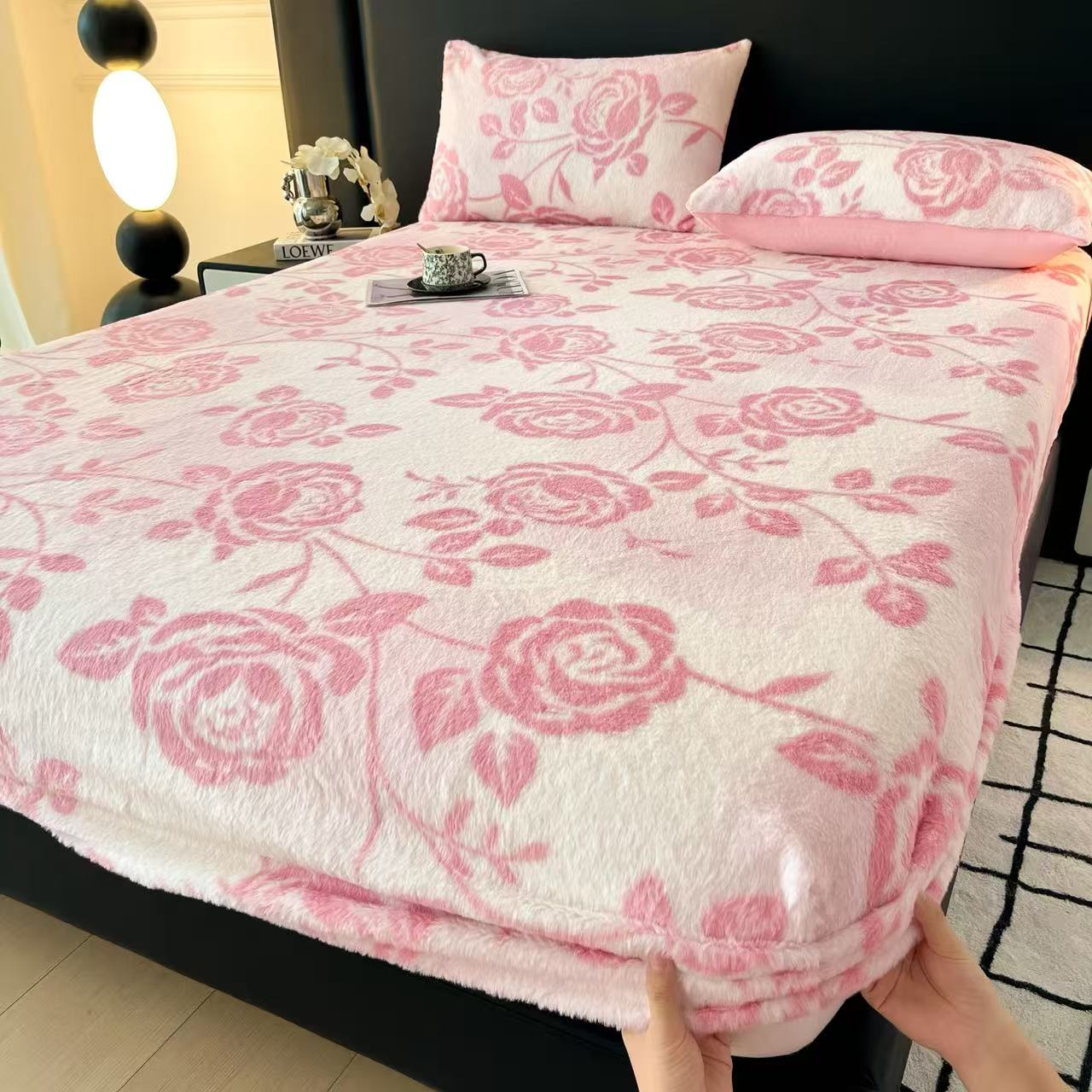
The best fabric choice depends on the target customer and use case, not a universal material ranking. Wholesale buyers get more consistent results when they turn that direction into a documented product brief, a complete approval sample and a repeatable inspection process.
Start With the Commercial Brief
State the destination market, sales channel, target retail position, planned delivery date and estimated quantity. These details guide material and construction choices more reliably than a reference photo alone. Define the customer problem the product should solve, then decide which elements are essential and which remain flexible.
Choose the fabric direction from the customer promise and the likely care routine. Cotton can support a natural-fibre, breathable positioning; microfiber may suit a value-led, easy-care programme; and blends can balance handfeel, durability and cost. Record the destination climate, retail price band, whether the set is for everyday home use, hospitality or a seasonal promotion, and the expected wash frequency. This commercial brief prevents a buyer from comparing fabric names without deciding what the finished sheet must do for its end user.
Write a Measurable Product Specification
List every component, finished measurement, material direction, colour reference, closure, decorative detail and tolerance that matters. Use drawings or marked photos for placement details. Avoid broad descriptions such as premium or soft unless they are supported by a sample, measurable target or agreed reference.
Specify fibre content, weave or knit construction, fabric weight where relevant, finished width and the component dimensions. For fitted sheets, state pocket depth, elastic coverage and mattress-fit tolerance; for flat sheets, state the hem depth and any embroidery or print placement. Cotton descriptions should identify the construction and finish, while microfiber and blends need an agreed handfeel, surface appearance and care direction. Include colour reference, label wording and packaging format so suppliers price the same material and presentation rather than substituting a broadly similar fabric.
Approve the Complete Sample
Review a finished sample in the same way the end customer will see and use it. Check handfeel, appearance, symmetry, component count, seams, labels and care information. Test packing and unpacking where presentation matters. Record decisions in writing so the factory and inspection team use the same baseline.
Compare complete samples side by side after the intended care cycle. Assess handfeel, drape, opacity, wrinkles, pilling risk, seam appearance and the way the elastic returns after fitting a mattress where applicable. Cotton, microfiber and a blend can feel different even when the visual colour is close, so use the approved sample rather than a small swatch as the final reference. Check that pillowcases, flat sheets and fitted sheets have a consistent shade and finish, then retain signed notes and photographs for the factory and inspection team.
Plan Quality Control and Packing
Set inspection points before production starts: materials, dimensions, workmanship, colour, accessories, labels and carton marks. Confirm unit packing, barcode position, master-carton quantity and handling requirements. A packing trial can expose issues with folds, compression, damage risk or warehouse handling while changes are still practical.
Set inspection points for fabric defects, shade continuity, finished dimensions, fitted-sheet elastic, hems, labels and pack count. The plan should be material-specific: check cotton for weave irregularities and finishing consistency, microfiber for surface marks and static attraction, and blends for an even feel across components. Test the final fold and pack so the fabric arrives without unwanted creases, abrasion or colour transfer. Confirm barcode position, insert-board requirements, carton quantity and stacking limits before bulk packing starts.
Prepare a Clear Quotation Request
Send the approved brief with quantity by SKU, target delivery window, destination, required documents and packaging direction. Ask suppliers to identify assumptions instead of hiding them in a single price. Compare quotations on the same specification; a lower price may reflect different fabric, components, packing or service scope.
Ask for pricing that identifies fabric composition, construction, finishing, dyeing or printing, component count, elastic specification, labels and individual packaging. Request comparable prices for cotton, microfiber or blend alternatives only when each option is based on a stated finished specification. Include quantities by size and colour, destination, sample deadline and target delivery window. This shows whether an apparent saving comes from a genuine fabric choice or from a change to weight, finish, fitted-sheet construction or pack quality.
Frequently Asked Questions
How should buyers compare cotton, microfiber and blend sheet samples?
Compare complete sets after the intended care routine, using the same size, colour and finish where possible. Evaluate handfeel, drape, wrinkle appearance, opacity, fit and the customer promise rather than deciding from a fabric name alone.
Can a reference photo replace a specification?
No. A photo is useful for direction, but dimensions, materials, construction, labels and packaging still need written approval.
When should packaging be approved?
Approve it with the finished product before bulk production so protection, presentation and carton fit can be checked together.
Does a higher thread count automatically mean a better bed sheet?
No. Fibre quality, yarn, weave, fabric weight, finish and the intended use all affect the finished result. A measurable specification and approved complete sample are more reliable than a single headline number.
Develop Your Bedding Programme
NEXTHOME TEX supports wholesale and private-label bedding development. Share your market, product brief, dimensions, material direction, quantity and delivery target to begin a focused sample review. Explore bedding collections or review OEM options.