Wholesale Bedding Packaging Guide: Bags, Boxes, Compression and Labels
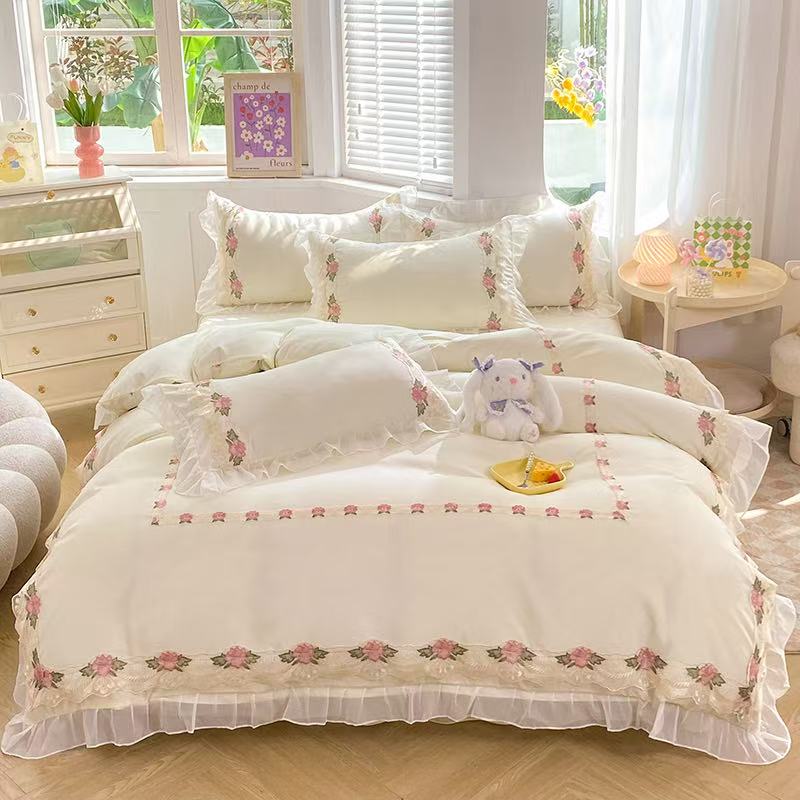
Wholesale bedding packaging should protect the product, present the brand, fit the sales channel and use carton space efficiently. The right format depends on product bulk, fabric sensitivity, retail display, e-commerce handling, labelling rules and destination-market requirements. Buyers should specify the unit pack and export carton together rather than treating them as separate decisions.
A beautiful retail bag can fail if it wastes container space. Aggressive compression can reduce volume but leave a plush blanket or comforter looking flat when opened. Good packaging balances presentation, protection, recovery and logistics.
What Information Should a Bedding Packaging Brief Include?
A bedding packaging brief should identify the product, component count, folded dimensions, unit-pack format, artwork, labels, barcode location, insert materials, master-carton quantity and carton marks. It should also state whether the product will ship to stores, a distribution centre, a marketplace fulfilment warehouse or directly to consumers.
Include these details before requesting a final packaging quotation:
- Product category, size and components per set
- Fabric and surface details that need protection
- Preferred fold and required product visibility
- Bag, box or wrap material and closure type
- Brand artwork, colour requirements and print method
- Care label, size label, warning text and country-of-origin content
- Barcode type, number and placement
- Units per master carton and carton-mark layout
- Compression requirement, if any
- Drop, transit or marketplace preparation requirements supplied by the buyer
Simple Poly Bags
Poly bags are a practical option for basic bedding programs where cost, cleanliness and packing efficiency are more important than a premium shelf presentation. They can be clear, frosted or printed and may use an adhesive flap, zip closure or other agreed construction.
Poly bags suit flat sheets, fitted sheets, pillowcases, protectors and some compact bedding sets. A printed insert can carry product information while allowing the buyer to update the design without printing the full bag.
Check these points:
- Bag dimensions after the final fold trial
- Material thickness and feel
- Closure strength and reclosability
- Ventilation or warning requirements for the destination market
- Barcode visibility and scan position
- Risk of sharp trims or zippers damaging the bag
A bag selected before the final product sample may be too tight or too loose. Approve the folded product and bag together.
Zippered Retail Bags
Zippered bags provide a more structured presentation and can be reused by the consumer. They are common for bedding sets, blankets, quilts and seasonal collections that need clear display and convenient handling.
Buyers can specify clear panels, fabric or nonwoven borders, handles, piping, printed cards and internal supports. Each added feature affects cost, packing volume and assembly time, so distinguish essential features from decorative preferences.
For heavier sets, test the handle and zipper with the actual packed weight. Review whether the bag keeps its shape when stacked and whether the product shifts during transport.
Paperboard Boxes and Gift Boxes
Boxes create a controlled surface for branding, product explanation and gifting. They can support premium retail positioning, but they usually use more volume and require careful protection against crushing and moisture during transport.
Box development should begin after the product fold is stable. Confirm internal dimensions, board construction, opening method, insert support and how the box will be arranged inside the master carton.
Use a complete printed mock-up to review:
- Logo scale and brand colours
- Product image accuracy
- Size and component information
- Barcode placement
- Opening experience
- Resistance to bulging from the packed bedding
- Master-carton fit and orientation
Avoid placing essential product details only on a removable sleeve unless the sales channel accepts that format.
Belly Bands, Sleeves and Paper Wraps
Paper bands and sleeves can provide branding with less material than a full box. They work best when the folded product remains stable and the underlying bag or wrap provides adequate protection.
These formats suit blankets, throws, sheets and compact sets intended for shelf or online presentation. The band must be sized around the compressed or uncompressed product exactly as it will ship. If it is too tight, it can crease or tear; if too loose, it may slide off.
Compression Packing
Compression packing reduces the volume of bulky products by removing air and containing the compressed item in a sealed pack. It can be useful for comforters, quilts, pillows and plush products, but the compression level and duration should be reviewed with the actual construction.
The key question is not only “How small can the pack become?” It is “How well does the product recover to the approved appearance after opening?”
Run a packing trial that records:
- Product dimensions before compression
- Compressed pack dimensions
- Time held in the compressed condition
- Appearance and loft after opening
- Time required for recovery
- Wrinkling, pile disturbance or fill migration
- Bag and seal condition after handling
Some products need a moderate volume reduction rather than maximum compression. The buyer should approve the packed sample and recovery expectation before bulk packing.
E-Commerce Packaging
E-commerce bedding packaging must survive repeated handling and arrive ready for the consumer. The retail pack may need an outer shipping carton, protective mailer or marketplace-specific label configuration.
For online channels, prioritize:
- Correct SKU and barcode on every unit
- Clear size and colour identification
- Protection from dust and moisture
- Stable dimensions for fulfilment measurements
- Tamper evidence or secure closure where needed
- Consumer instructions for unpacking and product recovery
- Packaging that matches listing photographs and claims
If the product will enter a third-party fulfilment programme, the buyer should provide the current preparation and labelling rules. Factories should not guess platform requirements from an old project.
Labels, Inserts and Barcodes
Packaging artwork must match the physical product and purchase order. A common operational risk is approving the product first and leaving labels until the end, when corrections can delay packing.
Control these items as separate artwork files:
- Brand label
- Care and fibre-content label
- Size sticker or sewn size label
- Product insert
- Barcode or marketplace label
- Carton mark
Name each artwork file with the style, colour, size, version and date. For multiple sizes or colourways, use a matrix that maps the correct artwork to each SKU. Scan sample barcodes and compare the encoded number with the purchase order or item master.
Master Cartons and Export Marks
The master carton is part of the product's delivery system. It should contain the agreed quantity, protect the unit packs and carry readable shipping information.
Confirm:
- Carton dimensions after the unit pack is approved
- Units and assortment per carton
- Net and gross weight recording method
- Carton strength required by the shipping plan
- Inner protection or dividers where needed
- Shipping marks, purchase-order number and destination data
- Barcode or carton-label placement
- Sealing method and inspection access
Avoid finalizing carton dimensions using estimated product thickness. A small difference in each unit pack can accumulate across a full carton.
How to Choose the Right Packaging Format
Use this decision sequence:
- Define the sales channel and customer experience.
- Confirm the finished product and fold.
- Decide the necessary level of protection.
- Select a unit pack that supports the retail position.
- Test compression only when volume reduction is valuable.
- Add labels, inserts and barcodes using controlled artwork.
- Build the master-carton plan from the approved unit pack.
- Review presentation, recovery, carton fit and scan accuracy in one packing trial.
The lowest-cost unit pack is not always the lowest total-cost choice. Packaging affects handling, carton volume, damage risk, fulfilment fees, retail presentation and customer perception.
Frequently Asked Questions
Which packaging is best for a four-piece bedding set?
The best format depends on price position and channel. A simple bag can suit value or online programmes, a zippered bag offers a reusable retail presentation, and a box supports premium or gift positioning. Confirm the final set fold and components before choosing dimensions.
Should comforters and pillows always be compressed?
No. Compression is useful when logistics savings justify it and the product recovers acceptably. Filling, quilting, shell fabric and storage duration can influence recovery, so approve a product-specific trial.
When should packaging artwork be approved?
Approve artwork after product names, sizes, materials and components are confirmed, but early enough to avoid delaying packing. Printed colours, barcode data and mandatory text should be checked on a physical proof or production sample.
Can one carton contain several sizes or colours?
Yes, if the assortment is clearly defined and accepted by the warehouse or buyer. The carton label should accurately identify the contents, and the packing list must match the physical assortment.
Prepare Your Packaging Request
NEXTHOME TEX supports private-label bags, boxes, inserts, barcodes and export-ready packing for wholesale bedding programmes. Send the product category, dimensions, component count, target channel, artwork, unit-pack preference, carton quantity and destination requirements. See private-label packaging options or prepare a complete inquiry.