How to Specify a Fitted Sheet: Size, Pocket Depth, Elastic and Waterproof Layers
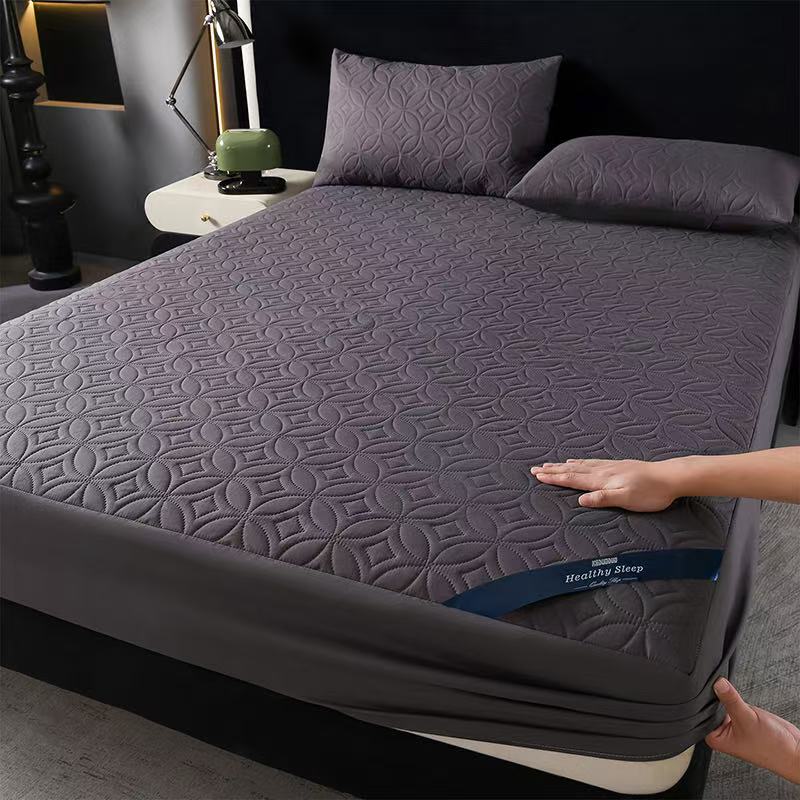
A fitted-sheet specification should define the mattress length, width and height; target pocket depth; fabric; elastic construction; corner shape; finished measurements; labels and packing. For waterproof fitted sheets, it should also define the top surface, waterproof layer, skirt material, coverage area and performance expectations. A market name such as “queen” is not enough by itself.
Fitted sheets look simple, but they combine regional sizing, stretch, seam construction and mattress fit. If any of those details remain unclear, buyers may receive a sheet that technically matches a named size but fits poorly on the intended mattress.
Start With Mattress Dimensions, Not Size Names
Mattress labels such as single, double, queen and king vary by market and retailer. Always send the target mattress dimensions in millimetres or centimetres and identify the destination market.
Record:
- Mattress length
- Mattress width
- Mattress height
- Any topper or pad included in the intended fit
- Target fit, from close and tailored to more flexible
- Measurement unit and rounding rule
If the programme covers several sizes, create one row per SKU. Do not assume the same pocket depth is suitable across all sizes or product tiers.
What Is Fitted-Sheet Pocket Depth?
Pocket depth is the vertical fabric allowance intended to cover the mattress side and wrap beneath it. It should be selected from the actual mattress height, any topper and the amount of under-mattress grip required. Pocket depth is not identical to mattress height; the construction needs sufficient material to hold the sheet in place.
A useful brief states both the mattress height and the desired finished pocket specification. If the sheet is intended to fit a range of mattress heights, define that range and approve fit trials on representative mattresses.
Full Elastic vs Corner Elastic
Full elastic runs around the perimeter of the fitted sheet and generally provides continuous grip. Corner elastic is applied at selected areas and may support a different price point or construction. The choice should be based on fit, fabric behaviour, target market and product positioning.
Specify:
- Full-perimeter or corner-only elastic
- Elastic width and attachment method
- Position and stretch expectation
- Whether elastic is enclosed or exposed
- Reinforcement or seam requirements at joins
Inspect how the sheet behaves after repeated fitting and removal. Elastic should support the approved fit without excessive gathering, twisting or damage to the edge.
Choose Fabric for the Intended Use
Fabric selection affects touch, appearance, breathability, stretch, wash behaviour and price position. Buyers should specify composition and construction rather than relying only on a marketing name.
For a standard fitted sheet, review:
- Fibre composition
- Woven or knitted construction
- Fabric weight or other agreed material specification
- Surface finish and handfeel
- Colour or print direction
- Opacity and stretch
- Care expectations and required testing
Knitted fabrics may provide more natural stretch, while woven fabrics can produce a crisper structure. The correct choice depends on the customer promise and fit design, not on one universally superior material.
How Is a Waterproof Fitted Sheet Constructed?
A waterproof fitted sheet or mattress protector commonly combines a comfortable top surface with a waterproof barrier and a fitted skirt. Buyers should define which area is protected: only the top panel or the top plus additional side coverage.
The specification should separate the layers:
- Top surface material and handfeel
- Absorbent or cushioning layer, if included
- Waterproof membrane or coating direction
- Bonding or lamination construction
- Skirt fabric and stretch
- Seam design
- Elastic construction
Do not approve waterproof performance based only on the material name. State the required test method, sampling plan and acceptance criteria with the supplier or inspection partner.
Balance Protection, Comfort and Noise
Waterproof bedding buyers often evaluate three outcomes at once: liquid protection, surface comfort and low noise during movement. Those outcomes depend on the full layer construction, not only the barrier.
During sample review, place the protector on the intended mattress and add a sheet above it if that reflects real use. Check surface feel, movement, heat perception, noise, edge grip and whether the barrier changes the way the bed feels.
If the product is for hospitality, child, care or e-commerce markets, the priorities may differ. Document the target user and channel in the brief.
Define Construction Details
Ask for a construction drawing or marked sample when details are difficult to describe. Key points include:
- Panel shape and corner seams
- Overlock or enclosed seam direction
- Skirt attachment
- Elastic attachment and join
- Label position
- Orientation marker, if needed
- Print placement or quilting direction
For deep-pocket sheets, inspect corner shape carefully. Extra fabric alone does not guarantee a secure fit; the pattern, elastic and fabric stretch must work together.
Sampling and Fit Approval
A fitted sheet should be approved on a mattress that represents the target dimensions. Laying it flat can confirm workmanship and measurements, but it cannot demonstrate grip and fit.
Use this approval process:
- Confirm the mattress dimensions and sample specification.
- Measure the sheet using the agreed method before fitting.
- Fit it to the representative mattress or fixture.
- Check corners, side coverage and under-mattress grip.
- Lie or press on the surface to observe movement.
- Remove and refit the sheet to evaluate handling.
- Review labels and packing after fit approval.
For a range-size product, test the smallest and largest intended mattress profiles. Record the actual mattress measurements used in the trial.
Quality-Control Points for Bulk Orders
Bulk inspection should compare production with the approved sample and specification. A practical plan may review:
- Finished dimensions and pocket depth
- Fabric appearance, colour and visible defects
- Corner seams and edge finishing
- Elastic placement, continuity and attachment
- Waterproof layer appearance and agreed performance test
- Labels, size identification and barcode
- Fold, unit pack and carton assortment
Set measurement tolerances and testing requirements before production. “Standard tolerance” can mean different things to different suppliers and buyers.
Common Specification Mistakes
Avoid these common problems:
- Sending only a size name without dimensions
- Using mattress height and pocket depth as interchangeable terms
- Omitting the topper from the fit requirement
- Leaving full elastic versus corner elastic undecided
- Describing waterproof material without defining coverage and performance
- Approving the sample flat instead of on a mattress
- Finalizing the bag before confirming the folded product dimensions
- Reusing one barcode or size sticker across several SKUs
Each mistake can be prevented with a size matrix and a physical fit trial.
What to Send for a Fitted-Sheet Quotation
Send a complete request containing:
- Product type: standard fitted sheet, waterproof fitted sheet or mattress protector
- Destination market
- Mattress length, width and height for every size
- Required pocket depth or target fit range
- Fabric composition, construction and handfeel
- Colour or print references
- Elastic method
- Waterproof layer and coverage requirement, if applicable
- Quantity by size and colour
- Labels, barcode and packaging format
- Testing, inspection and delivery requirements
Clear inputs allow the supplier to evaluate material use, construction, sampling and packing more accurately.
Frequently Asked Questions
How much deeper should a fitted-sheet pocket be than the mattress?
There is no single allowance suitable for every construction. The answer depends on fabric stretch, pattern, elastic method, mattress profile and the amount of under-mattress grip. Send the actual mattress dimensions and approve the fit on a representative mattress.
Is a deeper pocket always better?
No. Excess material can create loose folds on a shallow mattress, while insufficient depth may pull free from a tall mattress. Match the pocket and pattern to the intended fit range.
What is the difference between a waterproof fitted sheet and a mattress protector?
Names vary by market. Some products are sheet-like, while others add cushioning, quilting or a dedicated protective top panel. Define the layer construction, coverage, fit and care requirements rather than relying on the product name.
Can one fitted sheet fit several mattress depths?
It can be designed for a range, especially when fabric and elastic provide flexibility. The buyer should define the minimum and maximum mattress profiles and approve fit at both ends of the range.
Develop a Market-Specific Fitted Sheet
NEXTHOME TEX manufactures fitted sheets, bed skirts and waterproof bedding for wholesale and private-label programmes. Send your market, mattress dimensions, pocket-depth target, fabric direction, elastic method, quantity and packaging needs. Compare global bedding sizes or review available bedding categories.