Euro-Style Bedding Sets: Components and Construction
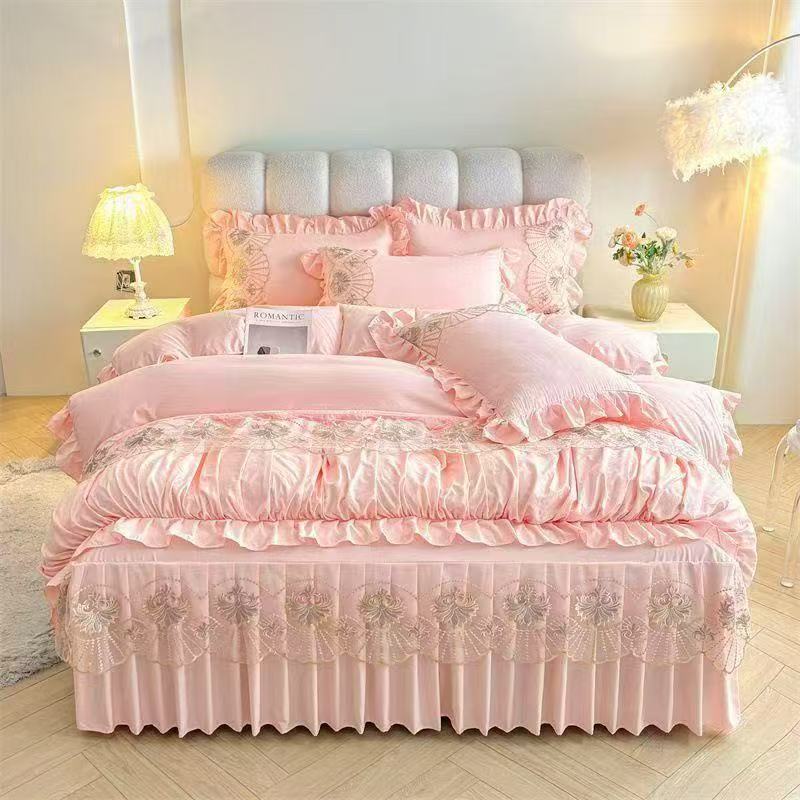
Decorative bedding should be approved on a dressed bed as well as on a flat inspection table. Wholesale buyers get more consistent results when they turn that direction into a documented product brief, a complete approval sample and a repeatable inspection process.
Start With the Commercial Brief
State the destination market, sales channel, target retail position, planned delivery date and estimated quantity. These details guide material and construction choices more reliably than a reference photo alone. Define the customer problem the product should solve, then decide which elements are essential and which remain flexible.
Define the programme as a dressed-bed story rather than a list of loose pieces. Record the destination market, mattress size, retail price band, season, sales channel and the intended number of decorative layers. A euro-style set may include a duvet cover, fitted or flat sheet, standard pillowcases, euro shams and a bed runner, but the component mix should match the buyer’s merchandising plan. Identify which pieces are core and which are optional coordinates so suppliers can quote and pack them without assumptions.
Write a Measurable Product Specification
List every component, finished measurement, material direction, colour reference, closure, decorative detail and tolerance that matters. Use drawings or marked photos for placement details. Avoid broad descriptions such as premium or soft unless they are supported by a sample, measurable target or agreed reference.
List finished dimensions and tolerances for every component, including sham flange depth, runner length and fitted-sheet pocket depth where applicable. Specify face and reverse fabric, thread count or fabric weight, print or yarn-dyed direction, and the exact placement of piping, embroidery, lace or appliqué. Record closure construction for the duvet cover and pillowcases, plus the type and colour of buttons, zips or ties. Use marked artwork or a technical drawing for decorative placement; a lifestyle photograph alone cannot define repeat alignment or seam position.
Approve the Complete Sample
Review a finished sample in the same way the end customer will see and use it. Check handfeel, appearance, symmetry, component count, seams, labels and care information. Test packing and unpacking where presentation matters. Record decisions in writing so the factory and inspection team use the same baseline.
Assess the complete sample on a bed in addition to measuring it on an inspection table. Check that the duvet cover drapes evenly, shams sit at the intended height, flanges remain square and decorative details line up across the visible face. Compare colours under daylight and indoor retail lighting, especially where a printed face is paired with a solid reverse. Then inspect seams, closure operation, labels and the inside finish. Photograph the approved dressed bed and retain the signed component list so production, merchandising and quality teams use the same reference.
Plan Quality Control and Packing
Set inspection points before production starts: materials, dimensions, workmanship, colour, accessories, labels and carton marks. Confirm unit packing, barcode position, master-carton quantity and handling requirements. A packing trial can expose issues with folds, compression, damage risk or warehouse handling while changes are still practical.
Set checkpoints for component count, measurements, print alignment, shade consistency, seam quality and decorative attachment security. The inspection plan should call out high-visibility points such as corner mitres, flange width, runner ends and repeated embroidery motifs. Confirm whether components will be packed as a single set or as separately barcoded units, then test the chosen fold and insert-board method. Packaging must protect raised details and preserve presentation while fitting the agreed master carton and transport limits.
Prepare a Clear Quotation Request
Send the approved brief with quantity by SKU, target delivery window, destination, required documents and packaging direction. Ask suppliers to identify assumptions instead of hiding them in a single price. Compare quotations on the same specification; a lower price may reflect different fabric, components, packing or service scope.
Ask for pricing by component or by clearly defined set configuration, including fabric, decorative techniques, closures, labels, packaging and testing. State the number of colours, print placements and embroidery locations because these can change material yield and lead time. If the buyer needs multiple mattress sizes, request a quotation for each instead of assuming one scale-up factor. Include the destination, target delivery date and sample deadline, allowing suppliers to show any assumptions about trims, production capacity or freight terms before approval.
Frequently Asked Questions
Which components make a bedding set feel distinctly euro-style?
Euro shams, a decorative runner, flanged pillowcases and coordinated reversible construction are common options, but the right combination depends on the buyer’s bed display and price point. Define the visible merchandising effect first, then specify each component.
Can a reference photo replace a specification?
No. A photo is useful for direction, but dimensions, materials, construction, labels and packaging still need written approval.
When should packaging be approved?
Approve it with the finished product before bulk production so protection, presentation and carton fit can be checked together.
Why should the sample be reviewed on a dressed bed?
A flat measurement check cannot show how flanges, prints, shams and runners align when the customer sees the finished bed. A dressed-bed review catches proportion and presentation issues before bulk production.
Develop Your Bedding Programme
Use this construction guide with the European bedding sets category to define components, dimensions and decorative details. For regional assortment context, review the Africa bedding supply hub or Southeast Asia bedding supply hub. “Euro-style” describes the product presentation and component approach; destination requirements still need to be confirmed for each market.
Before bulk approval, follow the bedding sample approval guide. Buyers comparing available programmes can review ready-stock products; buyers with a defined specification can request a wholesale quotation with quantities by SKU, finished dimensions, material direction, packing requirements and delivery target.