Comforter Insert Sourcing Guide: Shell, Filling, Weight, Quilting and Packing
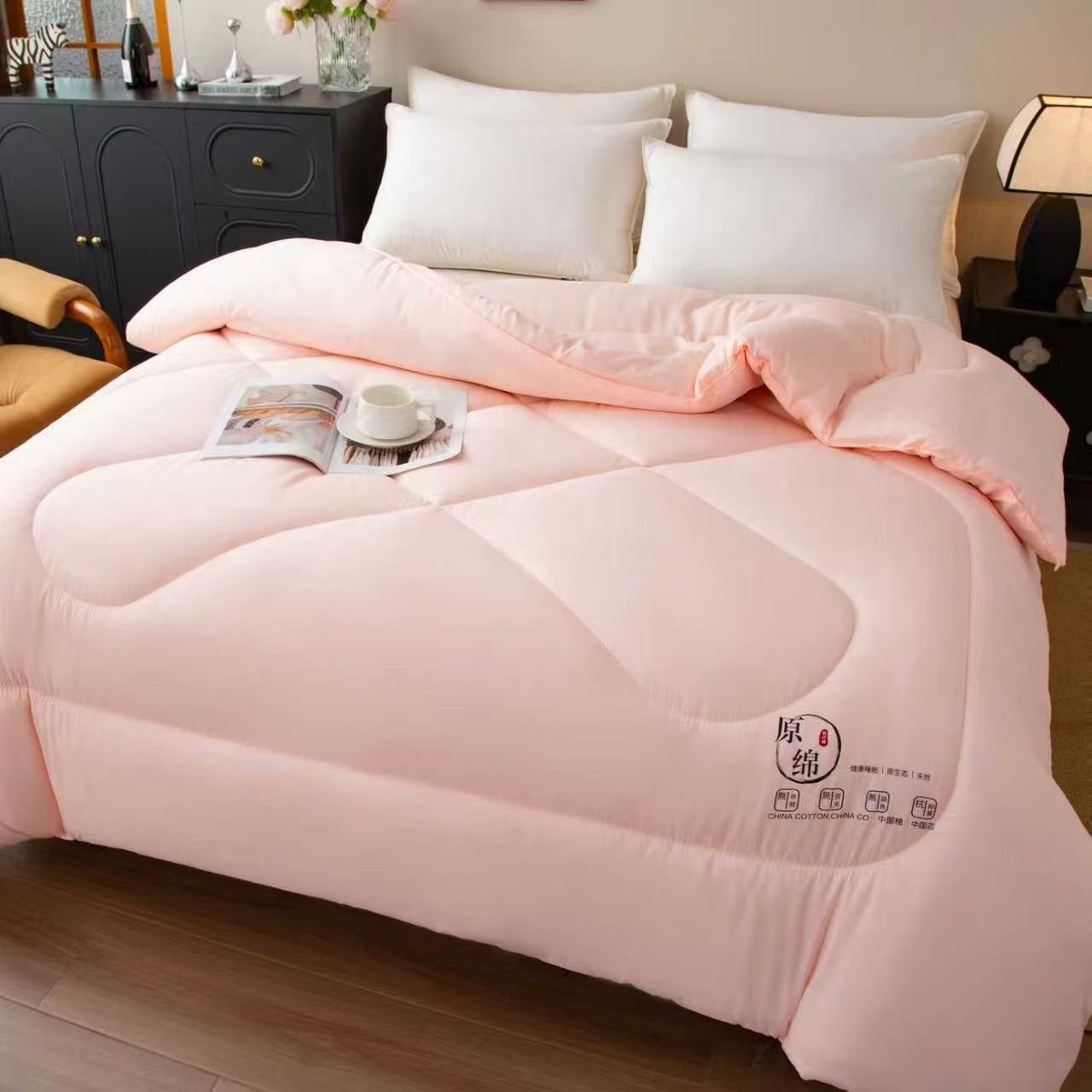
A comforter insert specification should define the shell fabric, filling material, fill weight, finished weight if required, quilting construction, warmth target, size, edge finish, labels and packing. Buyers should evaluate these variables as one system because changing the filling or quilting can alter loft, drape, appearance and compressed volume.
For wholesale buyers, “lightweight,” “warm” or “hotel quality” is not a complete manufacturing brief. Those descriptions communicate an intention, but the factory still needs measurable construction details and an approved sample.
Comforter, Duvet Insert and Quilt: Clarify the Product
The words comforter, duvet insert and quilt are used differently across markets. Some buyers mean a plain insert designed for a removable duvet cover. Others mean a finished decorative comforter used without a cover. A quilt may refer to a lighter filled layer or a specific stitched construction.
Start the brief by stating how the consumer will use the product. Then define the construction instead of relying on the category name.
Clarify:
- Plain insert or decorative outer product
- Intended season and climate
- Use with or without a duvet cover
- Target channel and retail position
- Shell, filling and quilting direction
- Required care and performance tests
Choose the Shell Fabric
The shell contains the filling and affects touch, noise, drape, breathability and appearance. Buyers should specify fibre composition, woven or knitted construction, surface finish, colour and the required relationship between the shell and filling.
Review the shell for:
- Smoothness and handfeel
- Opacity and visual uniformity
- Downproof or fibre-containment expectations where relevant
- Strength around quilting and seams
- Noise during movement
- Compatibility with print, piping or other decoration
- Care and shrinkage requirements
A shell that feels suitable as a loose swatch may behave differently after filling and quilting. Approve it in the completed sample.
Define the Filling
Filling influences warmth, loft, resilience, weight, care and cost. The buyer should identify the filling category and any composition or performance requirements that must be supported by supplier documents or testing.
For synthetic filling, the brief may distinguish fibre type, structure, blend and desired recovery. For cotton or other natural-direction fills, moisture behaviour, weight distribution and care expectations may require different construction choices.
Avoid specifying only “soft filling.” Instead, combine material direction with the target outcome: light drape, substantial weight, high loft, compact pack or easy care.
Fill Weight vs Finished Product Weight
Fill weight is the amount of filling inside the product. Finished product weight includes the shell, filling, thread, piping, labels and other components. The two values are not interchangeable.
To compare quotations accurately, state whether the required weight refers to:
- Total filling for one finished size
- Filling per square metre
- Total finished product weight
- A tolerance around the agreed target
Also confirm whether quoted dimensions are nominal or finished measurements. A larger comforter using the same fill weight per square metre will have a higher total filling amount.
Specify Warmth Without Guesswork
Warmth is affected by filling, weight, loft, quilting, air retention, shell and use environment. A single weight does not guarantee the same thermal experience across different constructions.
Build the warmth brief around:
- Season: summer, transitional, winter or all-season
- Target climate and indoor conditions
- Consumer preference for light or substantial bedding
- Filling and shell direction
- Comparable approved reference product, if available
- Required laboratory or performance evaluation, if applicable
When sourcing multiple warmth levels, name and sample each level separately. Do not rely only on colour-coded packaging to distinguish constructions.
Quilting and Fill Distribution
Quilting holds the filling in place and shapes the product's appearance. Common directions include box quilting, channel quilting and decorative patterns, but the appropriate design depends on filling behaviour and the visual target.
The specification should show:
- Quilting pattern and spacing
- Stitch type and thread direction
- Fill distribution method
- Edge construction
- Corner loops or tabs if used with duvet covers
- Piping, binding or flange details
Inspect the sample for empty areas, overfilled sections, migration, puckering and inconsistent loft. Hold it against light where appropriate to review distribution, while recognizing that some constructions naturally show variation.
Size and Drape
Comforter dimensions should match the destination market and intended bed appearance. Buyers should send exact measurements rather than only twin, queen or king labels.
Consider:
- Mattress dimensions
- Desired side and foot drop
- Use inside a duvet cover
- Expected shrinkage or care behaviour
- Retail package size
- Local conventions for each market
If the insert will be paired with a duvet cover, confirm the relationship between the two finished sizes. Excessive difference may create bunching or empty edges.
Sample Review Checklist
Review a completed comforter sample in its normal use position and inside the proposed packaging.
Check:
- Finished length, width and shape
- Total weight and fill weight according to the agreed method
- Loft, drape and handfeel
- Shell appearance and noise
- Quilting alignment and fill distribution
- Edge finish, piping and corner details
- Labels and care information
- Fold, compressed or uncompressed pack and recovery
Allow the product to rest after unpacking before making a final judgement about loft. Record how long it was compressed and how recovery was evaluated.
Compression Packing Decisions
Comforter inserts occupy substantial volume, so compression can improve packing efficiency. However, maximum compression is not automatically the best choice.
A product-specific compression trial should compare:
- Uncompressed and compressed dimensions
- Seal stability
- Carton quantity
- Wrinkling after opening
- Loft recovery and recovery time
- Fill movement
- Consumer unpacking experience
The buyer should approve the actual pack construction, not only a target compression ratio. If retail presentation matters, a moderate compressed bag inside a branded outer pack may offer a better balance than a tightly flattened product.
Bulk Quality-Control Points
Bulk inspection may include finished dimensions, weight, shell appearance, quilting, fill distribution, seams, edge finish, labels, packing and carton assortment. Any laboratory test or performance claim should use an agreed method and acceptance level.
Useful controls include:
- A signed or sealed approved sample
- Dated specification sheet
- Size and weight tolerance agreement
- Approved shell and filling references
- Packing sample
- SKU and barcode matrix
- Inspection checklist linked to the purchase order
Resolve any conflict between sample and document before production begins.
Common Buying Mistakes
- Comparing prices without comparing fill weight and shell construction
- Using “winter weight” without defining the target market
- Confusing fill weight with total product weight
- Choosing quilting only for appearance without considering distribution
- Sending only regional size names
- Approving an uncompressed sample but not the shipping pack
- Making care or performance claims without defined testing
- Finalizing the carton before the packed sample is approved
A complete specification helps buyers compare like with like.
What to Send for a Comforter Insert Quotation
Send:
- Product use and destination market
- Exact dimensions for each size
- Shell composition and construction
- Filling material and target weight
- Warmth or loft direction
- Quilting pattern and edge finish
- Colour and decorative requirements
- Quantity by size
- Label, barcode and packaging requirements
- Compression preference
- Testing, inspection and target delivery requirements
Reference photos are useful, but they should support rather than replace measurable requirements.
Frequently Asked Questions
Is a heavier comforter always warmer?
Not necessarily. Weight contributes to warmth, but filling structure, loft, quilting, shell and use conditions also matter. Compare complete constructions and approve a sample for the intended season.
What quilting pattern is best for a comforter insert?
The best pattern keeps the selected filling distributed while producing the desired drape and appearance. Pattern spacing should be developed with the filling rather than chosen from appearance alone.
Should an insert be smaller than its duvet cover?
The relationship varies by product and market. Specify both finished dimensions and approve the paired fit. Too much difference can create empty edges or bunching.
Can comforter inserts be shipped compressed?
Yes, many constructions can be compression packed, but the buyer should approve pack size, storage expectation, recovery and consumer instructions using the actual product.
Source Your Next Comforter Programme
NEXTHOME TEX manufactures cotton quilts and comforter inserts for wholesale, retail, hospitality and private-label bedding programmes. Share your shell, filling, size, warmth, quilting, quantity and packing brief for feasibility review. Explore comforter insert sourcing details or prepare a quotation request.